

Introduction to Kitchen Utensils
This series categorizes kitchen utensils by when and how they're used: the preparation (cold) stage, the high-heat stage, and the storage and serving stage. Each stage carries distinct hygiene and safety considerations. Some utensils are versatile enough to appear across multiple stages, but this framework makes it easier to understand material safety, contamination risks, and durability in different cooking scenarios.
Preparation Stage Cooking Utensils
The preparation stage covers everything that happens before heat touches food: washing and trimming raw ingredients, cutting, slicing, grating, peeling, blending, marinating, and mixing. Common utensils include cutting/chopping boards, culinary knives, graters and peelers (for vegetables, hard cheeses, and zesting), food processors and similar devices that break food down into smaller or finer forms, such as blenders, grinders, and juicers. The materials these tools are made from vary widely and reflect culture, local resources, economics, and sustainability. Cultures with heavy chopping techniques, such as Chinese culinary tradition, tend to favor hard, durable woods for cutting boards. In East Asia, where bamboo forests are abundant, bamboo cutting boards and utensils are far more common. The rise of plastic manufacturing brought lightweight, affordable cookware to kitchens worldwide, offering convenience and versatility alongside potential health and environmental trade-offs.
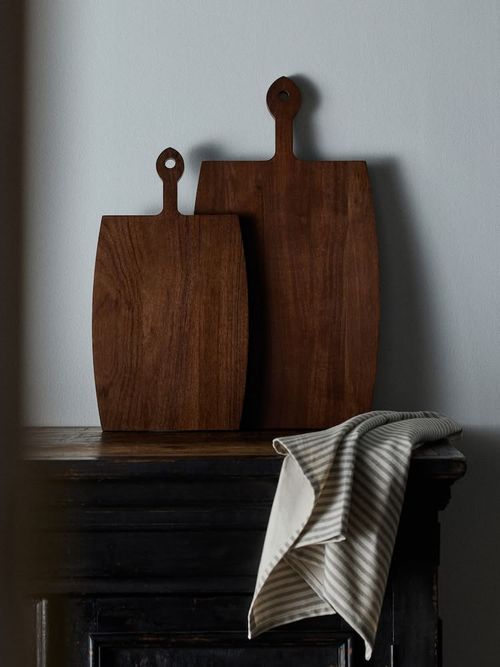
Cutting Boards
Cutting boards come in wood, bamboo, plastic, silicone, glass, steel and marble. Each has its own strengths and drawbacks. Wood, bamboo, and plastic dominate modern kitchens, while silicone, glass, steel and marble remain less studied due to their limited practicality in both home and professional settings.
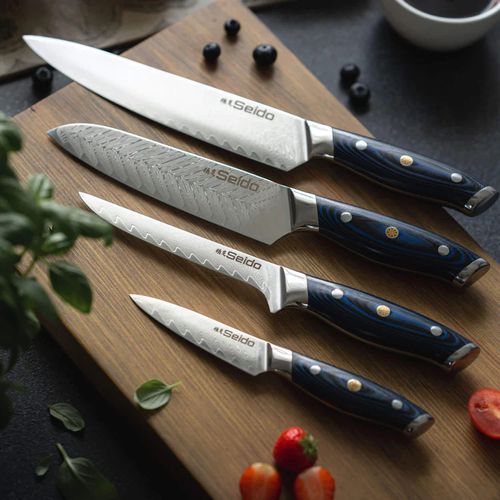
Culinary Knives, Graters, Peelers, and Anything with a Blade
Modern kitchen knives, graters, and peelers are usually made from stainless or alloy steel. With frequent use, exposure to moisture, salt, or acidic foods, and even harsh scrubbing, small scratches, pits, and rust spots can develop over time.
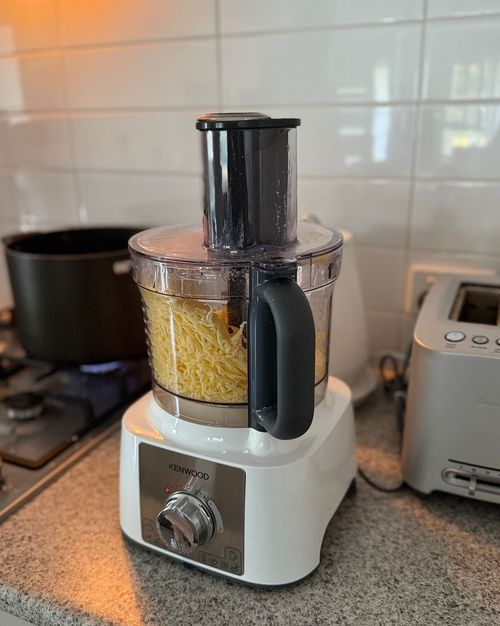
Food Processors and Similar Devices
Food processors and similar devices generally consist of two main components: a bowl or jar to hold the food, and blades to cut it. The bowl or jar is usually made from plastic, glass, or stainless steel.
Microscopic Exposure & Toxicity
Microscopics are tiny fragments of plastic, typically smaller than five millimeters. They are now widely present in the environment, and exposure occurs through food and water, inhalation of airborne particles, and contact with skin. Once absorbed, they can persist in body due to their resistance to degradation. There is currently no established regulatory standard or defined safe exposure level. Very small particles, especially those below 100 nanometers, may be able to travel through the bloodstream and reach multiple organs.
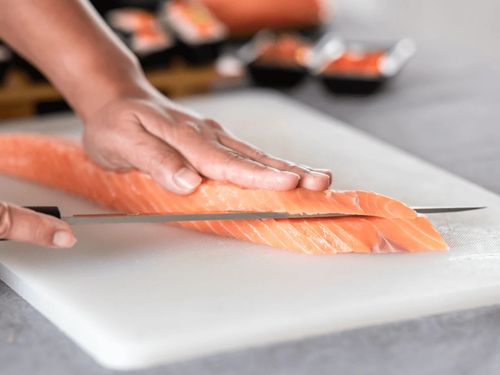
Wooden Cutting Boards
Wood has long been a concern in food hygiene because it is porous and absorbs liquids and microorganisms. This concern once led to a period in Europe when wooden cutting boards were prohibited in public food preparation areas. Despite that, wood remains popular in both home and professional kitchens because it is gentle on knives and less slippery than other materials. Bamboo is often treated similarly in studies, classified as a hardwood due to its comparable structure.
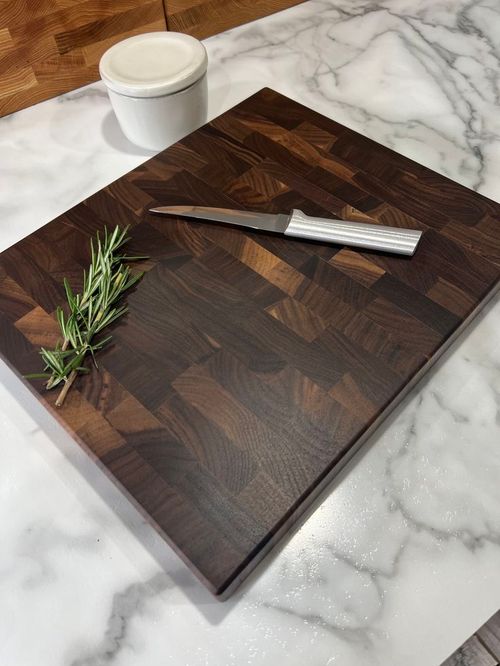
If Budget Isn't a Concern
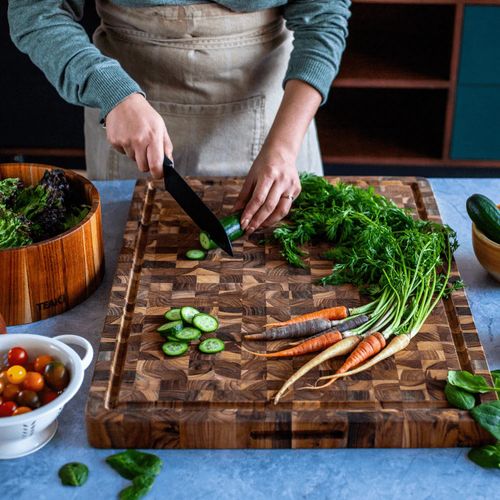
Teakhaus is a premium cutting board choice. The brand uses teak wood, which naturally contains oils and resists moisture better than many other woods. Teak boards are also known for their durability and resistance to cracking or warping.
Common Questions
Does Boiling a Wooden Cutting Board Help Sanitize It?
Short answer: not really. There isn't much direct research on boiling cutting boards, but we know how wood reacts to heat and moisture. High heat and water can damage the material. Wood absorbs water and expands, then shrinks as it cools. Over time, this repeated cycle causes warping, cracking, and a rougher surface, which means more tiny crevices where bacteria can settle. For everyday cleaning, washing with hot soapy water and drying thoroughly is enough to keep a wooden cutting board in good shape.