

What is Coffee?
Coffee is one of the world's most popular beverages, loved by millions for its dark color and rich, bitter-acidic taste.

In terms of total volume, the United States is expected to be the world leader, consuming about 1.7 million tonnes in 2025. However, when measured per person, the Central African Republic tops the list. According to the 2022 data from the International Coffee Organization, the average person there consumed 52.1 kg of coffee per year, making it the highest per capita consumption country.
More recent data from Voronoi and Cafely place Luxembourg at the top of global coffee consumption in 2025, with around five cups per person per day, far exceeding larger economies. Coffee prices also vary widely across countries. Denmark has the most expensive coffee, averaging USD 5.40 per cup, while Ethiopia has the lowest, at around USD 0.78.
Europe dominates global coffee culture. All of the top ten coffee-consuming countries by per capita intake are European, ranging from about 5.3 to 1.6 cups per person per day. In contrast, although coffee is popular in countries such as the United States, Australia, and Japan, larger single-serve sizes may contribute to lower per capita figures compared with Europe's smaller but more frequent servings.
Coffee is made from roasted and ground coffee beans. While it was originally served hot and plain, today it is also widely enjoyed iced, and mixed with various ingredients, such as milk, milk alternatives, syrups, and creams, resulting in the dazzling classic and signature drinks of the modern era.
Who found the coffee?
The discovery of coffee is wrapped up in several legends and historical theories. Even without the firm historical evidence, it is still fun to explore colorful stories that explain how coffee first woke up the world.
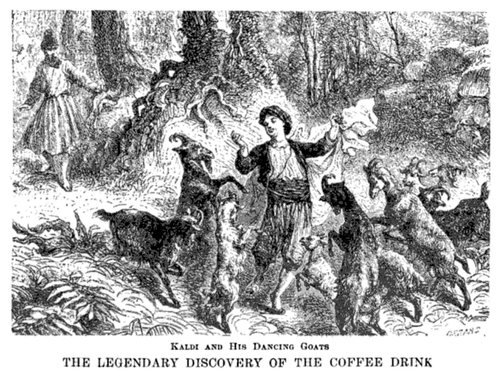
The most famous tale involves Kaldi, an Ethiopian goatherd who noticed his goats became unusually energetic after eating red berries from a wild bush. Kaldi tried the berries himself and felt the same stimulating effect. He took them to a monk, who disapproved and tossed them into a fire. As the beans roasted, a rich, pleasant aroma filled the air. This delicious smell is what supposedly led the monk to retrieve the beans and try brewing them into a drink. Although this might be the most widely known story about the origin of coffee, historians now believe the tale is a later invention, likely created in the 17th century and popularized in Europe.
Another idea links coffee's origin to civet cats. According to the writings of J. Lewis Krapf, the civet cat helped spread coffee by eating the coffee berries and dispersing the undigested seeds in their droppings as they moved from central Africa to the Ethiopian highlands, where the Galla people later cultivated the plant.

Many others credit the Galla people of Ethiopia with first discovering coffee's stimulating effects. They didn't initially drink it, however. Instead, they would grind up the wild coffee cherries, mix the pulp with animal fat, and roll the mixture into energy-rich balls. These were used as food rations for long journeys or raids, much like energy bars used by modern soldiers.
Human use of coffee
Human use of coffee most likely began in Ethiopia, where the Coffea arabica plant grows naturally. Although stories of its discovery by a goat herder are popular, the earliest reliable evidence shows that by the 15th century people in East Africa were cultivating coffee and trading it across the Arabian Peninsula.
But references to coffee's stimulating effects appear much earlier, in writings from the 9th and 10th centuries in the Arab world. Physicians such as Rhazes (865–932) and Avicenna (980–1037) described a plant called bunn and a drink called buncha, both of which match what we now recognize as coffee. Avicenna's Canon of Medicine, one of the most influential medical texts in the Islamic world and medieval Europe, includes one of the earliest known discussions of a coffee-like substance and its medicinal properties.
In Yemen, Sufi monks (Muslim mystics) drank coffee to help them stay awake during long nights of prayer. Their use of the drink eventually inspired the first coffee gatherings, which soon expanded beyond religious circles. These early meetings evolved into public coffeehouses, lively places where people came to talk, tell stories, play games, listen to music, and share news.
By the early 1500s, coffee had spread from Yemen to major Islamic cities such as Cairo, Mecca, Constantinople, and Aleppo. Coffee stalls and dedicated coffeehouses quickly multiplied, drawing people from many different backgrounds and becoming central hubs of urban social life.
Europe encountered coffee in the late 16th century, when travellers described it as an exotic dark drink with energizing effects. Because it required boiling water, its preparation also helped reduce waterborne illnesses, much like tea. As these beverages spread, they encouraged safer drinking habits that supported social and economic development in the regions that adopted them.

Coffeehouses arrived in Europe in the 17th century, inspired by long-established cafés in the Middle East. Venice was one of the first European cities to adopt them, and by the mid-1600s they had spread to England.
The first English coffeehouse opened in Oxford in 1650, followed two years later by London's first shop, run by Pasqua Rosée in St. Michael's Alley. These venues quickly became important public gathering places where people exchanged news, debated ideas, and conducted business.
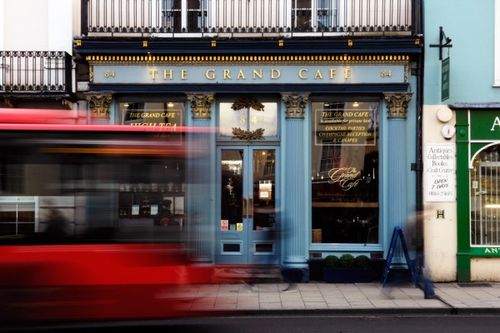
In London, many coffeehouses developed distinct identities. Merchants, scientists, and writers gathered at their preferred spots, and several major institutions, such as Lloyd's of London and the London Stock Exchange, grew out of these communities. Because entry cost only a penny, they were often called 'penny universities,' offering affordable access to information and discussion across class lines.
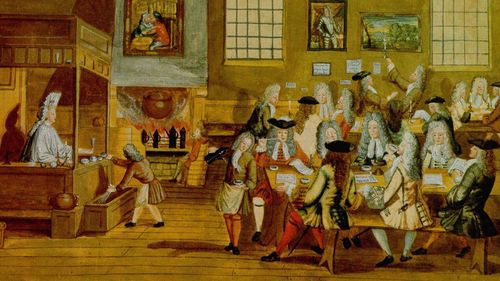
Coffeehouses also became hubs for political conversation. Their influence occasionally worried governments, leading to brief attempts at regulation or suppression. In France, similar spaces later played a role in spreading revolutionary ideas.
Coffee itself symbolized a shift toward clear thinking and productivity, similar to how tea coincided with China's Tang dynasty cultural peak. Its stimulating effects contrasted with alcohol and aligned well with the values of rationalism and the Enlightenment. Writers and thinkers such as Voltaire, Diderot, and Balzac embraced coffee as a tool for creativity and focus.
The modern 'coffee break' took shape in the early 20th century, though the idea existed in various forms beforehand. Some workplaces offered coffee but no break time, while others allowed breaks but did not provide the coffee itself.
The version we recognize today, paid time paired with free coffee, first appeared at Los Wigwam Weavers in Denver. When the company noticed a drop in worker productivity, it introduced two short daily coffee breaks. The result was a marked improvement in efficiency and employee morale.

A later legal case confirmed that these short pauses counted as paid work time because they ultimately benefited employers. This decision helped establish the paid coffee break as a common feature of American workplaces.
The phrase 'coffee break' became widely known in 1952, when the Pan-American Coffee Bureau launched an advertising campaign celebrating coffee as a simple way to refresh workers during the day.
Historical and linguistic evidence indicates that the English word 'coffee' derives from the Arabic qahwa, through the Turkish kahveh and European forms, for example, French café, Italian caffè, and Dutch koffie.
The origin of qahwa itself is a bit of mystery, with several competing theories. One widely supported view suggests qahwa comes from an Arabic root meaning 'to diminish desire,' which first referred to wine, but was later applied to other psychoactive beverages, potentially including coffee among Sufi communities. Another idea connects the term to khat, a stimulating beverage in Yemen, suggesting that coffee adopted the same name. Other proposals link qahwa to Arabic words meaning 'strength' or associate the term with Kaffa, a region in Ethiopia often cited as an early center of coffee cultivation.
Farm Log: How Does a Cherry Become a Bean?
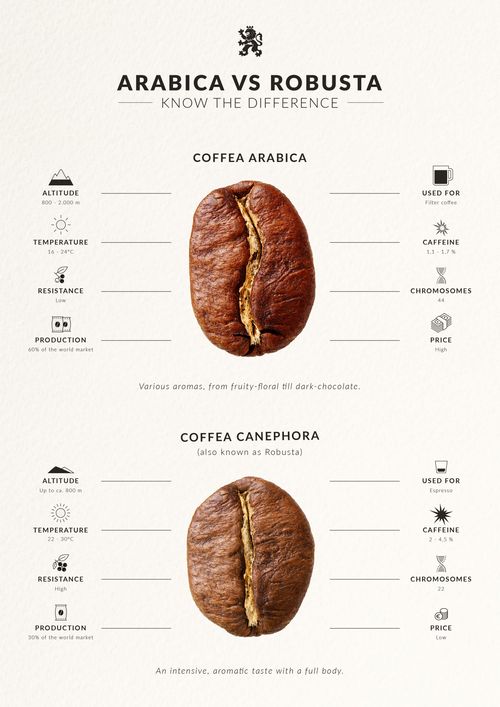
Coffee generally comes from one of two main species: Coffea arabica (Arabica) and Coffea canephora (Robusta). Arabica accounts for the majority of global coffee production and is grown in dozens of countries within the tropics. Over 120 coffee species exist, but Robusta is the only other species produced in significant quantities, making up about 40% of the world's annual production.
Robusta was discovered in the late 19th century and named for its attributes: it is robust. It can grow at lower altitudes, in higher temperatures, and is more resistant to disease than Arabica, making it substantially cheaper to produce. But it doesn't taste as good as Arabica.
Robusta beans contain much more caffeine, typically around 22 to 27 mg per gram, while Arabica contains about 12 to 15 mg per gram. Arabica also has nearly twice the sugar content and about 60% more lipids than Robusta, which contributes to its sweeter, smoother flavor and greater popularity.
Some high-quality Robusta are favored by the traditional Italian espresso, but most Robusta today are destined for the instant coffee, where price is prioritized over flavor.
Harvesting, Processing, and Roasting
Great coffee depends on altitude, the right harvesting timing, and high-quality processing. Machine harvesting and strip picking collect ripe and unripe cherries together, along with leaves and twigs, offering speed but limited precision. In contrast, hand-picking allows workers to select only ripe cherries and access steep terrain, where high-quality coffee is typically grown.
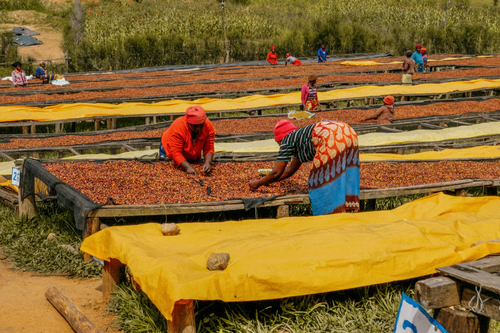
Coffee processing refers to the series of steps used after harvest to turn fresh cherries into dried green beans. This stage has a major influence on final cup quality and commercial value. The main goals are to minimize defects and dry the beans to a safe storage level of 11–12% moisture. Producers choose processing methods based on quality targets, available resources, and environmental conditions.
Different processing methods create distinct flavor profiles and carry different risks of defects. Problems can arise from improper processing, insect damage, or biochemical reactions, leading to undesirable flavors such as fermentation, phenolic notes, or 'barnyard' characteristics.
Among these issues, mold and heavy metal contamination raise not only quality concerns but also potential health risks. Certain molds can infect coffee cherries before harvest and spread during processing if drying is uneven or beans are exposed to moisture again. Under these conditions, fungi may produce mycotoxins such as ochratoxin A and aflatoxins, which are naturally occurring carcinogens.
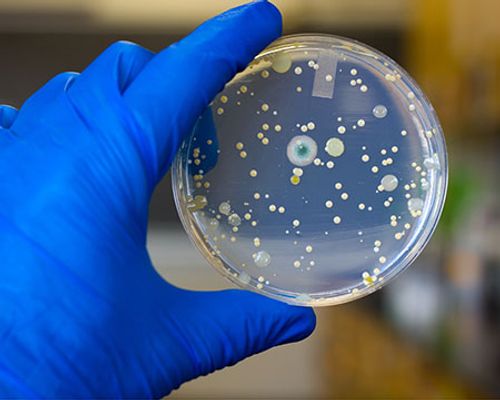
Mycotoxins are relatively resistant to heat, meaning they can survive roasting and brewing. While these steps can reduce their levels, often by around 40–65% depending on roast and brewing method, they may not remove them completely. Small amounts have been detected in roasted coffee, instant coffee, and brewed drinks.
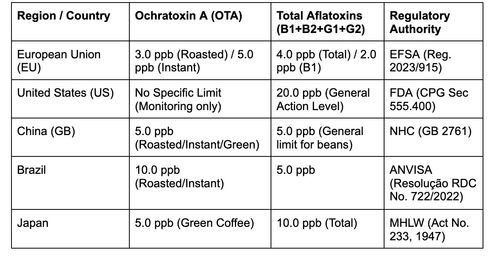
Table 1: Global Regulatory Limits for Ochratoxin A (OTA) and Total Aflatoxins in Coffee
Coffee plants can also absorb heavy metals from soil, water and fertilizers. Although most commercial coffee is considered safe due to strict regulations, choosing well-tested, high-quality products adds an extra layer of reassurance. Improved post-harvest practices and regular testing greatly reduce the risk of contamination.
Availability varies by region. In the US, brands such as Lifeboost, Natural Force, Purity Coffee, and Holistic Roasters (also available in Canada) are well known for their focus on quality and transparency. In the UK, Mindful Coffee, Balance Coffee, and Exhale are commonly cited options.
In regions where regulation is less consistent, it's worth checking individual roasters' websites for certificates of analysis or third party lab testing details before purchasing.
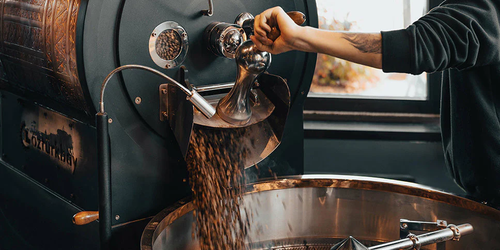
Once dried, coffee beans remain enclosed in their parchment layer, which protects them once their moisture content is sufficiently low for safe storage. This is a traditional step believed to prevent 'green' off-flavors and help the coffee age well during shipment. At the dry mill, the parchment is removed and the beans are sorted by size, color, and overall quality to eliminate defects before export.
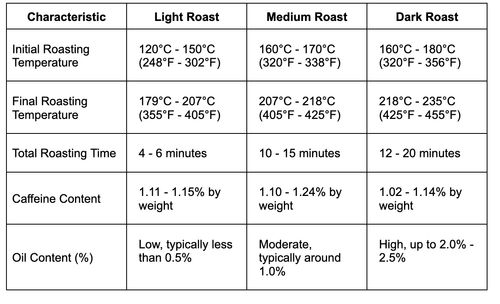
Roasting transforms green coffee beans into the aromatic brown beans we use for brewing. Flavor depends on both the final roast level and how quickly the beans reach it. Two coffees roasted to the same color can taste completely different if one roast was fast and the other slow. Roast development affects the main components of flavor: longer or darker roasts reduce acidity and increase bitterness. Sweetness peaks in the middle, between high acidity and high bitterness.
Roasting also changes coffee's nutritional profile. It mainly reshapes antioxidants, minor phytochemicals, and some B vitamins, while caffeine and minerals are only slightly affected. Light roasts retain more chlorogenic acids, but darker roasts still contain antioxidants such as melanoidins.
Overall, total antioxidant capacity gradually declines as roasting becomes darker. Although dark roasts are often perceived as 'stronger' because of their bold flavor, caffeine is quite stable at high temperatures, so the caffeine difference between light and dark roast is small.
During roasting, some niacin (vitamin B3) precursors are converted into niacin, meaning medium to dark roasts can provide more available vitamin B3 than green coffee beans. In contrast, other heat sensitive B vitamins present in raw beans are largely lost during roasting.
Because of these dynamics, the broad range of coffee flavors can be produced through different roasting techniques and roast profiles. Very dark roasts, like French Roast and Italian Roast, are known for their strong body and bitterness, but they suppress origin-specific character, making them less suitable for showcasing high-quality coffees.
Table 2: Partly detailed overview of technical differences between light, medium, and dark roast coffee
Coffee and Global Inequality
Coffee is one of the world's most traded crops, ranking alongside cotton, sugar, corn and wheat. Yet behind its popularity is a long history of unequal power dynamics, first through colonial expansion, and today through economic systems that still disadvantage the people who grow it.
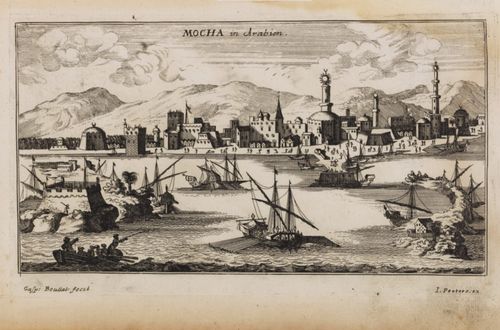
In the 1600s, European demand for coffee surged. At the time, Arab traders controlled the trade and tried to protect their monopoly by exporting only roasted beans, which could not be planted. This changed in 1616, when live coffee plants were smuggled from the port of Mocha to Amsterdam. The Dutch cultivated these plants on the island of Java, creating the origin of the famous 'Mocha Java' blend.
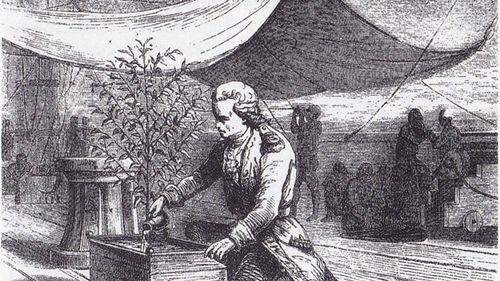
A century later, coffee plants descended from the Dutch stock were taken to France and then to the French colony of Martinique in the Caribbean. By the 1730s, French territories were exporting large amounts of coffee to Europe. These early movements of plants shifted coffee production away from Arabia and into European-controlled colonies, a change that shaped global trade for centuries.
Most coffee farmers today are smallholders in tropical regions, often working only a few acres. They typically earn just a tiny share of the price consumers pay. Global price swings, controlled by commodity markets in London and New York, can push their income below the cost of production.
Attempts to stabilize prices existed, such as the 1962 International Coffee Agreement, which set export quotas to protect farmers. But its collapse in 1989, followed by deregulation and the rise of powerful multinational buyers, shifted control even further away from producing countries.
Today, a handful of corporations control much of the global coffee trade, while millions of farmers continue to struggle with low and unstable incomes. Programs like Fairtrade and premium-price sourcing (e.g., Starbucks Reserve) offer some improvements, but they do not fully address the deeper structural inequalities built into the system.
What's in a Cup of Coffee?
According to the USDA, a cup (8 ounce/237g) of brewed coffee made with tap water contains about 94.8 milligrams of caffeine. Caffeine is the psychoactive compound responsible for coffee's stimulating effects.
Coffee also contains many other naturally occurring substances, including polyphenols such as chlorogenic acids, diterpenes like cafestol and kahweol, as well as carbohydrates, lipids, proteins, organic acids, minerals, alkaloids and a wide range of aromatic compounds. Together, these components shape the drink's body, mouthfeel, flavor and taste.
The exact chemical makeup of a cup of coffee depends on how the beans are roasted, since roasting triggers the Maillard reaction that creates many of coffee's characteristic flavors. Grinding and brewing methods also influence the final composition. In addition, genetics and gut microbiome also influence individual bioavailability.
Coffee's impact is not limited to the brain. Since the gastrointestinal tract is the first system to encounter coffee, researchers have explored whether the drink affects gut microbiota. Although caffeine is often considered the main active component, some studies report similar changes in microbiota composition with both caffeinated and decaffeinated coffee, suggesting that other bioactive compounds in coffee may also play a role.
Both caffeine and estrogen are processed by the same liver enzyme, CYP1A2, which means caffeine intake could theoretically influence hormone levels. Animal studies suggest that caffeine may affect sex hormones by interacting with the maturation of egg cells or by altering enzymes involved in steroid and estrogen metabolism.
However, findings in human studies are inconsistent, and no clear pattern has been established. Because of these uncertainties, some attention has also turned to the phytoestrogens found in coffee. These plant-based compounds may help supplement declining estrogen levels in postmenopausal women and have been linked to a lower risk of atherosclerosis. This could partly explain why certain protective effects of coffee are more evident in women than in men.
For a comprehensive understanding of caffeine, check our caffeine overview article!
Diterpenes are natural oily compounds found in coffee, mainly cafestol and kahweol. They are known for their impact on cholesterol levels. Studies show that cafestol, the more potent of coffee's diterpenes, can reduce LDL receptor activity in the liver, leading to increases in total and LDL cholesterol as well as triglycerides. Grinding and brewing methods influence the final composition. In addition, genetics and gut microbiome also influence individual bioavailability.
How to stack it?
Daily recommendation
Most health authorities recommend a daily caffeine intake of up to 400 mg for adults, roughly the amount in four cups of brewed coffee, ten cans of cola, or two energy drinks. However, it's always wise to check the caffeine content on pre-packaged drinks before consuming them.
Lethal dosage
Most death cases by caffeine overdose were due to accidental overdoses in medical settings. A lethal dose of caffeine is around 10 grams. Since a shot of espresso contains about 100 milligrams, an overdose would require roughly a hundred of them.
For a deeper and comprehensive understanding of caffeine, read Caffeine Overview Article on Lifestack!
Common questions
What's the difference between commodity coffee and specialty coffee?
When buying coffee, you are generally choosing between two types: Commodity Coffee: Think of this as the generic, everyday option. It is sold in huge volumes based on a global price, regardless of its quality or flavor. It is often just seen as a bitter, caffeinated product, and the details of how it was grown or processed are largely ignored. Specialty Coffee: This is coffee where the flavor and quality comes first. It is carefully grown, harvested, and processed to achieve a superb taste. Its origin matters immensely, as the specific farm, soil, and climate directly shape its unique flavor.
What are the tips for purchasing the best coffee?
There is no guaranteed method for selecting excellent coffee every time, but certain practices can significantly improve quality.
Buy coffee from specialty shops instead of supermarkets. Specialist shops generally offer fresher products, knowledgeable staff, and the possibility to sample or receive tailored recommendations.
Look for clear traceability on the package. Good coffee varies by country, region, farm, and processing method. Packaging that tells you where the coffee came from usually indicates higher-quality beans, and helps you learn what flavors you enjoy. Because traceability is expensive to maintain, it's most often found on better-grade coffees.
Check the roast date and buy small amounts. Choose coffee that shows when it was roasted, and try to buy it within two weeks of that date. Only buy enough for one to two weeks at a time. Coffee tastes best in the first few weeks after roasting.
Note: Dark-roasted coffee loses freshness faster. The intense roasting process makes the beans more porous, so they absorb air and moisture more quickly.
Depending on where you live, availability will vary. Examples of brands that emphasize quality and transparency include: UK: Mindful Coffee, Exhale, Balance Coffee US: Lifeboost, Natural Force, Purity Coffee, Holistic Roasters (also available in Canada) EU: NoordCode Pure Coffee (Netherlands)
It is also worth checking individual roaster websites for certificates of analysis or lab testing details before purchasing.
Does coffee go stale?
Surprisingly, yes. Even though many people don't think of coffee as a 'fresh' product, it absolutely is, and it can lose quality over time.
Polyphenols are sensitive to heat, and higher temperatures lead to greater losses. Processes like roasting speed up their degradation and reduce the levels of bioactive compounds in coffee. Grinding intensifies this effect even further. When a coffee bean is ground for espresso, its surface area increases by more than 10,000 times, dramatically increasing exposure to heat and oxygen.
Therefore, to maximize the health benefits of coffee, make sure to use coffee that is recently roasted and freshly ground.
Coffee stales in two main ways: Loss of aromatics. The fragrant compounds that give coffee its smell and flavor gradually disappear.
Exposure to oxidation and moisture. These speed up staling and create dull, unpleasant flavors often described as flat, woody, or like cardboard.
To keep your coffee tasting its best, check the roast date when you buy it, and if you can, grind your beans at home right before brewing.
Is keeping my coffee in the fridge a good way to slow the stale process?
Not really. Storing coffee in the fridge doesn't keep it fresh longer. Instead, it can cause the coffee to absorb smells from other foods, which affects the flavor.
If you need long-term storage, the freezer is a better option. Just make sure the coffee is sealed in an airtight container, and only defrost the amount you plan to use right away.
For everyday storage, the best way to keep coffee fresh is simple: Use an airtight bag or container.
Keep it away from light, especially direct sunlight.
Protect it from moisture.
These steps help slow down the staling process and preserve flavor as long as possible.
This article is for informational purposes only and does not constitute medical advice. Consult a healthcare provider before making changes to your health routine.