

What is Collagen?
Collagen, a strong, flexible, and fibrous protein, is abundant throughout the body, playing a vital role in maintaining health and resilience. It's a key factor in keeping skin firm and elastic, strengthens nails and bones, and supports the flexibility of tissues such as cartilage, tendons, muscles, the gut lining, and blood vessels. Additionally, collagen forms a protective shield around organs. By providing both strength and elasticity, it ensures smooth, pain-free joint movement, while also contributing significantly to wound healing, gut health, and heart health.
Function
Collagen, derived from the Greek word kolla meaning "glue" and the suffix -gen meaning "producing" or "forming," has a name that reflects its primary function, binding and supporting structures in the body. It's no surprise, then, that collagen plays a critical role in maintaining the integrity of multiple systems.
In the heart, collagen forms part of the cardiac skeleton, providing structural support and stability to the heart valves and the walls separating its chambers. It helps the heart endure the physical stress of pumping blood and prevents electrical disturbances—such as atrial fibrillation—from spreading to the lower chambers. Collagen also shapes and reinforces the valves, ensuring proper blood flow under pressure. Its quality and quantity are closely tied to how efficiently the heart functions, and damage to this network can contribute to heart-related connective tissue diseases.
Bones, though often associated with calcium, actually contain more collagen than minerals. Collagen's spiral structure is what gives bones their durability, strength, and resistance to fractures. It also helps maintain the structural cohesion of connective tissues and plays a vital role in recovery from injuries. As we age, collagen production declines, increasing the risk of conditions like osteoporosis imperfecta and osteoporosis, which make bones more fragile, especially in older adults.
Collagen also constitutes about 75% to 80% of the skin, which is the body's largest organ and its first defense against the environment. Skin aging, including dryness, reduced elasticity, and the formation of wrinkles, is often tied to a decline in fibroblasts (the cells that synthesize collagen) and blood vessels that nourish the skin. This gradual loss in collagen is a major contributor to visible aging.

Collagen is also essential for gut health. It helps strengthen the gut lining, a single-cell barrier that controls nutrient absorption while preventing harmful substances from leaking into the bloodstream. When this barrier is compromised, a condition known as "leaky gut," toxins, bacteria, and undigested food particles can enter the bloodstream, triggering inflammation, allergies, and chronic health issues. Collagen-rich amino acids like glycine, proline, and arginine play a key role in repairing this lining and reducing permeability.
In wound healing, collagen contributes in several important ways. Applied topically, it supports tissue closure, reduces the risk of further injury, and helps ward off infection. In burn care, collagen accelerates healing by promoting the growth of new tissue. It also reinforces thinning or fragile skin, offering better resistance to everyday wear and tear.
As we age, collagen production decreases by about 1% per year starting in mid-20s, with the decline speeding up in 40s and 50s, resulting in roughly 30% less collagen by early 50s compared to 20s. Given this steady and sometimes accelerated decrease by lifestyle, supporting collagen through diet and supplements becomes especially important to help maintain skin elasticity, joint health, and overall structural integrity.
Example dietary source
While your body makes collagen naturally, dietary sources can help support and enhance production.
Whole Food Sources
- Organ meats (like liver, heart, kidney, and sweetbreads): Rich in collagen-building amino acids such as glycine and proline, plus nutrients that support cellular health and tissue repair.
- Chicken and fish skin: High in type I collagen and amino acids needed for collagen synthesis.
- Bone broth: A traditional, nutrient-rich food made by simmering bones, contains collagen, calcium, magnesium, phosphorus, and compounds like glucosamine and chondroitin. Homemade broth using organic, free-range poultry, pasture-raised beef, or wild-caught fish is most nutritious.
- Gelatin, a form of collagen, forms a jelly-like layer on top when chilled overnight.
Collagen supplements which are available in powders, shots, gummies, and capsules, typically contain hydrolyzed collagen peptides, meaning the collagen is pre-broken down into smaller pieces for better absorption. These supplements offer a consistent and concentrated dose with high bioavailability. A growing body of research supports their benefits, especially for skin elasticity, joint function, and bone health.
There are several common types of collagen, sourced from different animals and used in various dietary ingredients and supplements:
- Bovine collagen: Derived from cow bones, skin, cartilage, and tendons, it's rich in types I and III collagen, and provides amino acids like glycine and proline, as well as glucosamine and chondroitin. This type is commonly used to support muscle growth, joint health, and overall collagen production.
- Chicken collagen: Sourced from bones, skin, and gristle, this type offers type II collagen, which is especially helpful for cartilage repair and joint support. It also contains chondroitin and glucosamine, both known for their joint health benefits.
- Marine collagen: Typically extracted from fish skin and bones (and sometimes jellyfish), this form is highly absorbable and mainly consists of type I collagen. It's often used for supporting skin, joints, organs, blood vessels, gut health, and bone structure.
- Egg collagen: Found in eggshell membranes, it contains a mix of types I, II, IV, and X, along with glucosamine, chondroitin, and hyaluronic acid. It supports connective tissue health, wound healing, muscle development, and joint relief, and is mostly available in supplement form.
In summary, collagen supplements provide easily absorbed, science-backed support for skin, joints, and bones, thanks to their hydrolyzed peptides. They're convenient and deliver targeted benefits efficiently.
By contrast, natural food sources of collagen (such as bone broth or slow-cooked meats) come with additional vitamins, minerals, and compounds that support gut health, immune function, and general well-being, though their collagen may be less concentrated or slower to absorb compared to supplements.
Building components of collagen
Collagen, the most abundant structural protein in the body, is made up of interwoven chains of amino acids, primarily glycine, proline, and hydroxyproline, along with smaller amounts of others like arginine and glutamic acid. Several of these, such as glycine, proline, and arginine, are considered 'conditionally essential,' meaning the body's demand for them increases during stress or illness, which is a need that may be heightened by modern, high-stress lifestyles.
Glycine, abundant in skin, connective tissue, joints, and muscles, supports cognitive performance and central nervous system function by regulating nutrients and electrolytes (calcium, chloride, potassium) for nerve impulses and aids fat breakdown for cellular energy.
Proline initiates collagen synthesis as part of procollagen, supporting the formation of proteins in connective tissue, cartilage, skin, and gut lining. It plays a vital role in wound healing, also promotes healthy skin, countering age-related thinning and abrasion by strengthening it. Additionally, it supports joint health, gastrointestinal function, heart disease prevention, metabolism, muscle mass, and energy output, aiding weight control.
Arginine, another collagen component, is vital for heart and artery health, improving circulation, lowering blood pressure, and enhancing immunity.
How is collagen produced in the body?
Collagen is produced by fibroblasts, specialized cells found in connective tissue, as well as in some skin and organ-lining tissues. These cells use instructions from DNA to create specific types of collagen. The process begins with the formation of immature amino acid chains, which then undergo a crucial modification called hydroxylation. This step, which depends on vitamin C, stabilizes the collagen structure.
Next, the modified amino acids twist into sturdy, braid-like triple helix strands. These mature collagen strands are then secreted into the extracellular matrix (ECM), a network of proteins and molecules that fills the space between cells and gives tissues their structure. Within the ECM, the strands organize into strong, flexible collagen fibrils.
These fibrils, shaped by their unique amino acid sequences, form at least 16 different types of collagen, each suited to a specific purpose in the body, such as creating rigid structure in bones, flexibility in tendons, or a more cushioned texture in cartilage.
Types of collagen in the body
There are 16 types of collagen in the human body, but about 90% consists of types I, II, or III, or a combination of these three. Despite their varied roles, all three share a common molecular structure: a strong, triple-stranded helix that resembles a woven rope. This structure gives collagen its remarkable strength and flexibility.
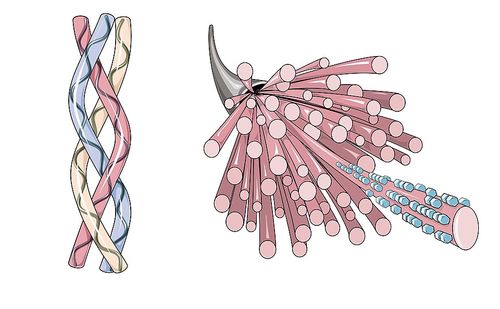
Type I collagen is by far the most abundant, making up over 90% of the body's collagen. It's incredibly strong, gram for gram stronger than steel, and resists stretching without breaking. This type is found in skin, bones, tendons (which connect muscles to bones), ligaments (which connect bones and stabilize joints), organ-supporting structures, menisci (the cartilage in joints like the knee), and intervertebral disks (which connect spinal vertebrae). Its strength and elasticity enable the body to run, jump, and lift while preventing injury and supporting movement.
Type II collagen plays a central role in joint health. It is the main collagen found in cartilage, the spongy tissue that cushions joints. It also makes up the nucleus pulposus, the inner core of intervertebral disks, helping to cushion the spine and maintain flexibility and comfort. This type of collagen is critical for maintaining pain-free, mobile joints.
Type III collagen is an important component of the extracellular matrix, especially in skin and blood vessels. It forms a delicate mesh that supports organs such as the heart, where it comprises about 20% of the myocardial connective tissue (the remaining 80% is type I). This supportive network contributes to organ structure and vascular health.
Type IV collagen is often overlooked but plays a crucial structural and regulatory role. Unlike the rope-like fibers of types I–III, type IV forms flexible, sheet-like fibers found in the basal lamina, a specialized layer of the extracellular matrix. It surrounds muscle fibers to help regenerate tissue after injury, supports epithelial cells in the skin, organs, urinary tract, and blood vessels, and acts as a molecular filter in the kidneys. It also supports structures in the inner ear, eyes, and blood vessels, and is essential for embryonic development, wound healing, and new blood vessel formation.
Type V collagen, though less common, is vital. First identified in the placenta, where it supports fetal development, it's found throughout the body in tissues such as the cornea (comprising 10%–20% of its collagen), skin, uterus, kidneys, lungs, liver, pancreas, and periodontal tissues. It's also present in hair strands, cell membranes, and synovial membranes in joints.
Finally, Type X collagen stands out for its association with bone development. It plays a key role in endochondral ossification, the process by which bone forms from cartilage during fetal development and adolescence. This begins when cartilage cells (chondrocytes) produce a type II-rich matrix. As these cells mature, they switch to producing type X collagen, which promotes calcification and the formation of bone. This process also continues into adulthood to support bone remodeling and fracture repair.
Key events and scientific milestones
The scientific journey of collagen began in 1955, when Indian physicist G. N. Ramachandran proposed the famous triple-helix structure, known as the "Madras model," which accurately described collagen’s unique shape. This model has since become a cornerstone in understanding how collagen works in the body.
In the 1960s, Belgian scientist Paul Bürnstein attempted to extract active collagen peptides. Although his early results seemed promising, he later realized that the process had damaged the protein structure, producing only fragments of collagen’s triple helix.
A major step forward came in 1971, when American biogerontologist Dr. George Martin and his team discovered procollagen, which is the molecule that cells use to make collagen. This discovery helped scientists understand how collagen is built and matured inside the body, laying the foundation for future medical and biochemical research.
In the 1980s, breakthroughs in marine collagen changed the game. Polish scientists, including Maria Sadowska, Ilona Kolodziejjska, and Eugeniusz Krajewski, led pioneering studies on collagen peptides from fish. In 1985, Polish chemists Mieczyslaw Skrodzki, Antoni Michniewicz, and Henryk Kujawa successfully extracted collagen from fish skin without damaging its structure. This opened the door to the development of hydrolyzed collagen, a form that is easy to absorb and now widely used in supplements and skincare products.
Meanwhile, advances in imaging technology, like electron microscopy, allowed scientists to see collagen’s intricate structure inside tissues such as tendons, corneas, and cartilage, further confirming the triple-helix model.
Most recently, in 2025, researchers made a stunning discovery: original collagen molecules were found in well-preserved dinosaur fossils. Using powerful tools like mass spectrometry, scientists uncovered one of the oldest traces of collagen ever seen, offering a rare glimpse into the ancient biology of our planet.
Traditional vs. modern usage
As discussed previously, the word collagen comes from the Greek kolla, meaning "glue," which reflects its early use: boiling the skin and sinews of animals, like horses, to produce adhesives. This practice dates back thousands of years. In fact, the oldest known collagen-based glue, dated to over 8,000 years ago, was discovered in Nahal Hemar Cave near the Dead Sea in Israel. Chemical and microscopy analysis confirmed it was made from animal skin and used to coat rope baskets, fabrics, utensils, and even skulls.
Collagen, when boiled down, becomes gelatin, which is a versatile substance that can be dried and stored. Gelatin is widely used today in foods (like jelly desserts), dietary supplements, and cosmetics. In Traditional Chinese Medicine (TCM), ejiao (gelatin made from donkey skin) has been used since the 1st century BCE to promote youthful skin, improve circulation, and even stop bleeding. This remedy is still found in modern Chinese hospitals and health shops.
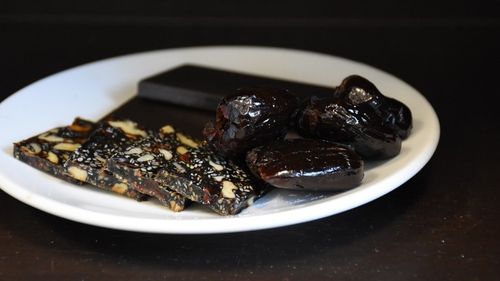
In other parts of the world, collagen-rich broths and foods have also played important roles. In the 12th century, the Egyptian-Jewish physician Moses Maimonides recommended chicken bone broth for treating colds, a remedy still embraced today. In the early 20th century, nutritionist Francis Pottinger Jr. highlighted gelatin’s benefits for bones, muscles, and digestive health, including relief for ulcers and heartburn.

Cultural traditions across the globe continue to feature collagen-rich foods. The Inuit in Alaska, Canada, and Russia eat muktuk (whale blubber and skin), while Europeans have long enjoyed head cheese, made from collagen-dense parts like pig heads, feet, and hearts.
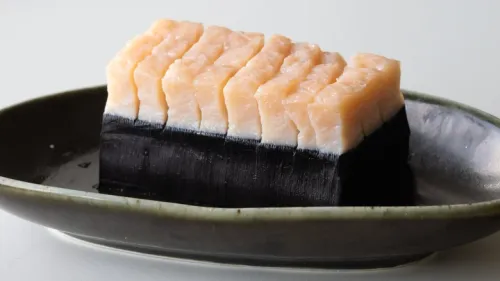
In modern times, collagen is used in a range of applications:
- Dermal fillers for reducing wrinkles and signs of aging
- Skincare and cosmetics, though topical collagen has limited absorption due to its large molecular size
- Sausage casings in food production
- Animal glues for fine instruments like violins and guitars, prized for their reversibility in repairs
Advances in medical science are also unlocking new uses for collagen. It is now combined with stem cells to regenerate cartilage in patients with joint injuries and arthritis. Resorbable collagen is used to treat oral wounds, accelerate dental healing, and even serve as artificial skin for burn victims and reconstructive surgery.
Mainstream vs. Alternative Views
Mainstream
According to Grand View Research, the global collagen market was valued at approximately USD 9.9 billion in 2024 and is projected to grow to USD 18.7 billion by 2030. This surge is largely driven by collagen’s popularity as an anti-aging and beauty supplement, frequently marketed for promoting glowing skin, stronger nails, and healthier hair. Many skincare and cosmetic brands also incorporate collagen into their products, often promoting it as a key to achieving a more youthful appearance.

Meanwhile, beyond connective tissue, stem cell therapies like bone marrow transplants have treated blood disorders such as leukemia and lymphoma for over 50 years, with ongoing research exploring their potential for Alzheimer’s, Parkinson’s, spinal cord injuries, heart disease, cancer, and type 1 diabetes.
However, stem cell therapy, particularly with embryonic stem cells (ESCs), is controversial due to their versatility, allowing them to become any cell type but risking tumours or immune rejection, and ethical concerns over harvesting them from early embryos with donor consent, regulated by guidelines now.
Alternative
While collagen supplements are widely marketed for benefits like glowing skin, stronger joints, and healthier hair, not all experts agree on their effectiveness. Some researchers argue that collagen peptides are simply broken down into amino acids during digestion, no different from other proteins, and that a well-rounded diet rich in specific nutrients may be just as effective, or even more so, in supporting the body's natural collagen production—most notably vitamin C, copper, zinc, manganese, and glucosamine.

From a holistic perspective, an anti-inflammatory diet is often recommended to support and maximize collagen absorption by reducing oxidative stress and promoting tissue health. Complementing this approach, ancient ingredients like tonic herbs, functional mushrooms, and elements of Traditional Chinese Medicine (TCM) are gaining attention for their role in enhancing collagen-supportive wellness. Adaptogens such as Ashwagandha, Asian and American ginseng, and mushrooms like Reishi and Cordyceps have long been used to strengthen vitality, calm inflammation, balance hormones, and aid tissue repair, offering indirect but valuable support to the body's collagen network.
What the science says
Vitamin C plays a critical role in collagen stability by supporting the hydroxylation process, which maintains the structure and integrity of collagen fibers. When intake is insufficient, collagen production slows down, potentially leading to wrinkled skin, joint pain, digestive issues, and brittle nails or dull hair. Preclinical studies suggest that vitamin C may enhance bone healing after fractures, stimulate type I collagen synthesis, and reduce oxidative stress markers. However, while these findings are promising, more robust and large-scale human studies are needed to confirm its full therapeutic potential.
Copper is another essential nutrient, needed to activate lysyl oxidase, an enzyme that strengthens collagen fibrils by forming crosslinks with elastin, improving the elasticity of connective tissues. Without enough copper, collagen remains immature, which may contribute to weak bones and poor tissue structure. Some studies also suggest that collagen synthesis can be influenced by copper availability and may play a role in supporting muscle growth.
Zinc is vital for activating enzymes involved in collagen production and wound healing. Animal studies show that zinc deficiency can delay tissue repair, causing bone deformities (such as in the tibia) and reducing both collagen synthesis and turnover.
Manganese, though less often discussed, supports enzymes that help produce proline, a key amino acid in collagen that protects blood vessels, supports joint function, and promotes heart health. Signs of manganese deficiency in animal studies include skeletal abnormalities, while limited human data link it to issues like hair depigmentation, slow nail growth, and scaly dermatitis.
Glucosamine, a natural amino sugar derived from proteins and sugars, is found in joint cartilage and fluid, where it acts as both a shock absorber and lubricant to slow joint deterioration and ease pain. It works alongside collagen to help form connective tissues in the digestive tract and immune system, and aids in cartilage formation by supporting proteoglycan production, which enhances tissue hydration and resilience. Glucosamine is also present in bone broth and supports a collagen-rich diet. It may provide benefits for gut health, jaw pain, and bone discomfort, essentially, while collagen repairs aging tissue, glucosamine keeps joints moving smoothly.

Scientific research increasingly supports the idea that plant-based antioxidants and traditional ingredients can positively influence collagen production and protection at the cellular level. For instance, tomato paste, rich in the antioxidant lycopene, was found to help protect skin collagen by neutralizing free radicals generated by UV exposure. Similarly, an animal study reported that antioxidant intake increased collagen content within arteries, suggesting cardiovascular benefits as well.
Spirulina crispa, also known as cauliflower mushroom, was shown to enhance wound healing in diabetic rats by stimulating type I collagen synthesis. Meanwhile, combining ginger and curcumin (found in turmeric) was found to significantly improve wound healing and collagen regeneration, highlighting the benefit of culinary integration.
Curcumin stimulating fibroblast proliferation and movement, essential steps in tissue repair and collagen synthesis. Additionally, Panax ginseng root extract may upregulate type I collagen production by activating a key protein involved in procollagen synthesis, providing a scientific basis for its traditional use in skin and tissue health.
Individuals with collagen deficiency
Due to the century-long consumption of muscle while neglecting collagen-rich tissue meat, the theory of amino acid imbalance was suggested. Collagen deficiency usually overlooked or confused by other symptoms, some typical signs are: Arthritis and joint pain
- Wrinkles, cellulite, and sagging skin
- More frequent cuts and abrasions
- Slower wound healing
- Hair loss
- Brittle nails
- Smaller, weaker muscles
- Decreased bone density
- Gastrointestinal problems, like loose stool, gas, and bloating
- Immune issues
- Chronic inflammation
- Food sensitivities
- Heart problems
Individuals lead on certain lifestyle
Certain lifestyle factors can further accelerate the decline of collagen, including: sun exposure/ultraviolet radiation,
- smoking,
- stress,
- poor gut health,
- excessive sugar consumption, and
- inflammation.
Allergies
Certain supplements and food sources, for example, marine-sourced collagen supplements might cause allergies. Read the instruction before taking or consuming under administration.
How to stack it?
Daily recommendation
There is currently no official universal recommended daily dose of collagen, consider following the product instruction or professional’s advice when consumed.
Synergistic pairings
Adding nutrients like Vitamin C, Copper, Zinc, Manganese, Glucosamine into diet and supplementation help bolster the collagen absorption and formation.
Common questions
What's the trick of picking the collagen supplement?
When choosing collagen supplements, consider these five key points:
- Choose hydrolysed collagen or collagen peptides. These are broken down for better absorption, have a lower molecular weight, and easily dissolve in liquids like coffee or smoothies.
- Select multi-collagen products. Look for supplements with types I, II, III, V, and X from sources like bovine, chicken, fish, and eggshell membrane for a balanced amino acid profile.
- Consider bone broth collagen. It includes glucosamine and chondroitin, beneficial for joint health, especially for arthritis or joint pain.
- Check the label for collagen types. Ensure the product specifies the types of collagen included to know what you're getting.
- Verify the dosage. Be cautious of products recommending excessively high doses.
When is the best time to consume collagen?
Collagen can be consumed at various times throughout the day, with ideal moments being first thing in the morning (to boost protein intake and energy via coffee or smoothies),
- after exercise (to aid tissue repair, muscle growth, and joint support with its unique amino acids), and
- before bed (to leverage its glycine content, shown to improve sleep with 3–5 grams, achievable through a scoop of hydrolyzed collagen or half a cup of bone broth).
Does collagen interact with any medications?
Collagen, a natural protein in the body, is unlikely to interact with medications, but individuals with kidney, liver conditions, or genetic issues affecting protein digestion should consider a lower-protein diet and consult a physician before taking supplements.
Is collagen safe to consume during pregnancy or while breastfeeding?
Collagen protein, like other protein powders, is generally safe during pregnancy or breastfeeding, with traditional cultures valuing collagen-rich foods like bone broth and animal organs for their nutritional benefits for pregnant women and new mothers; however, consulting a physician before starting any new diet or supplement is recommended.
This article is for informational purposes only and does not constitute medical advice. Consult a healthcare provider before making changes to your health routine.