

What is Matcha?
Matcha is a finely ground green tea made from shaded, steamed tea leaves known as tencha. As one of Japan’s most essential teas, matcha offers a distinctive balance of bitterness, astringency, and sweetness, while also highlighting umami, a savory taste that is uncommon in most beverages but central to Japanese cuisine.
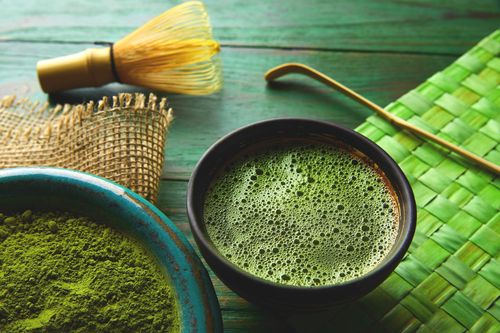
Picture: Matcha Credit: Ujido Glossary
Tencha
The precursor to matcha. Before harvest, the leaves are shaded, then steamed, quickly dried without rolling, and stripped of stems and veins, resulting in thin, flaky leaves.
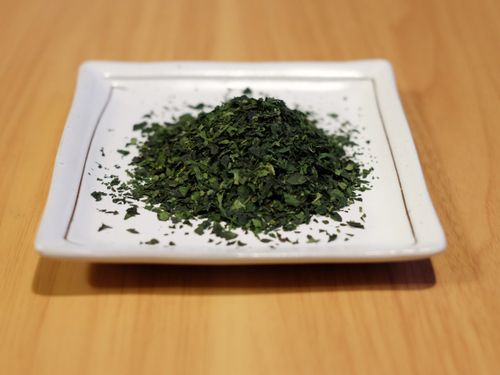
Picture: Tencha Credit: Global Japanese Tea Association
Umami
A savory, rich flavor that, together with sweetness, bitterness, and astringency, forms the core sensory experience of Japanese tea.
Shading
A key cultivation technique in Japanese tea farming, used to boost flavor and nutrient content.
Tana
A method used on large, high-grade commercial estates. An elaborate framework covers the entire field, effectively controlling light while still allowing rainfall and moisture to reach the tea bushes.
- Jikagise: A method used by small-scale growers. A large cloth is placed directly over the bushes, producing a similar effect to Tana, though with less precision and control.

Picture: Shade grown tea Credit: The Tea Crane A brief chemistry
Matcha is cherished for its distinct flavor, setting it apart from other teas enjoyed around the world.
In Japanese tea, umami is a key factor in quality grading. Ichibancha (first-harvest tea) is especially rich in umami and highly prized, while teas with less are considered lower quality. This savory depth comes mainly from glutamic acid and L-theanine, both of which dissolve easily, even at lower brewing temperatures.
Bitterness, primarily from caffeine and catechins, is another essential element, much like in coffee or dark chocolate. Since these compounds extract quickly in hot water, Japanese teas are usually steeped with cooler water to prevent overwhelming bitterness. Catechins, in particular, are the main taste components of green tea.
Astringency, often mistaken for bitterness, is not a taste but a sensation. It occurs when tea polyphenols bind to proteins in saliva, creating a dry feeling in the mouth. This tactile quality adds complexity and contributes to tea’s long, satisfying aftertaste.
Finally, sweetness in tea comes mainly from L-theanine, which dissolves best in cooler water, enhancing flavor. Because sweet compounds extract faster than bitter ones, the first steeping naturally has a smooth, pleasant sweetness. Free sugars also play a minor role, but tea remains virtually calorie-free.
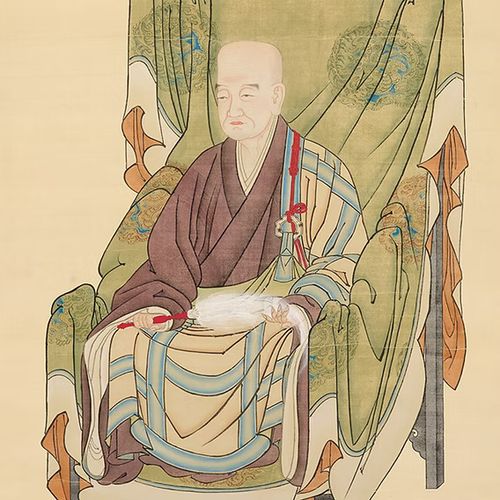
Picture: Myoan Eisai Credit: Eisa Tea Co. During this period, the Japanese tea ceremony, Cha-no-yu (also known as Chado or Sado), was perfected by tea masters like Sen no Rikyu. More than just preparing tea, it became a highly ritualized art form integrating architecture, aesthetics, and nature, where every gesture and detail held meaning.
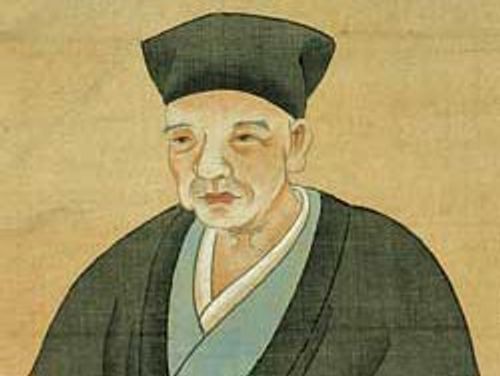
Picture: Sen no Rikyu Credit: Sakai City Matcha also reached Europe in the early 1600s, introduced by Dutch traders from Japan, where it was the preferred tea. Though it initially grew popular, it was eventually replaced by black tea about a century later due to supply challenges.
A little extension of etiology
The origins of the word matcha can be traced back to both Chinese and Japanese sources. In The Book of Agriculture (1313) by Wang Zhen of the Yuan dynasty, the terms mǒchá (抹茶) and mòchá (末茶) appear, and one theory suggests that these words were later adopted and transformed into matcha in Japan.
In Japan, one of the earliest references is found in the Kundaikan Sōchōki (『君台観左右帳記』, "Record of Appraising Objects for the Lord’s Viewing Stand"), which mentions a ‘matcha jar’ around the late 15th century. By the mid-16th century, the term had become more established: the Japanese dictionary Unpo Iroha Shō (『運歩色葉集』, 1548) explicitly records the word ‘matcha.’
Interestingly, the pronunciation seems to have evolved over time. In the oldest surviving manuscript of the Sōami-bon (the 『宗味本』, "Sōami’s Book"), dated 1559, the characters are glossed with the phonetic reading ‘Surichatsubo’ (すり茶壺), suggesting that the word may originally have been pronounced suricha rather than matcha.
Regardless of its pronunciation, matcha literally means ‘ground tea.’ By contrast, the Chinese terms mǒchá (抹茶) and mòchá (末茶) translate as ‘powdered tea,’ differing not only in characters and pronunciation, but also in nuance of meaning.
Processing procedures
Matcha production begins in early spring, with the first harvest typically around May 1st. After harvesting, the leaves are steamed, dried, and refined into tencha. Stalks and imperfections are removed, and the best leaves are ground between hand-carved granite stones into an ultra-fine powder just 10 micrometres in size. The finished matcha is carefully graded and vacuum-packed in tins to preserve its vivid green color and freshness.
Historically, until the 13th century, matcha was produced using a grinder called a yagen, which created rough, coarse particles. In the 14th century, specialized stone mills for tea were introduced, producing a much finer powder and significantly improving matcha quality.
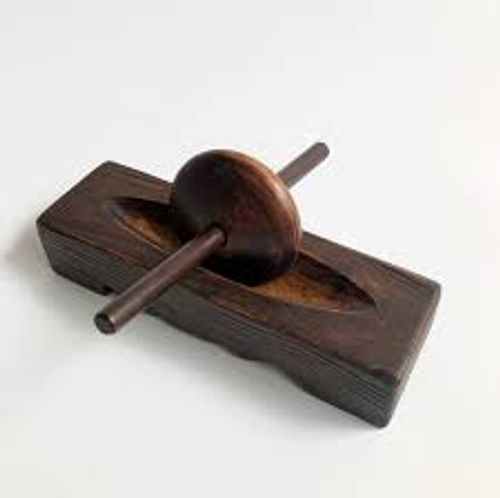
Image: Yagen Credit: tatami tatami During the Muromachi period (1333–1573), tea drinking spread among the general public. Among the elite, it became fashionable to drink tea using expensive Chinese ceramics known as karamonos (唐物, "Tang Dynasty things").
Traditional vs. modern usage
Traditionally, matcha was consumed during Japanese tea ceremonies and as part of Zen Buddhist practices to support meditation. Today, matcha has become a highly versatile ingredient. It can be enjoyed as a hot drink, mixed with juice, milk, or cold water, and even used to make cocktails or mocktails. Matcha powder is also popular in cooking, adding its fresh, vibrant flavor to a wide variety of dishes.
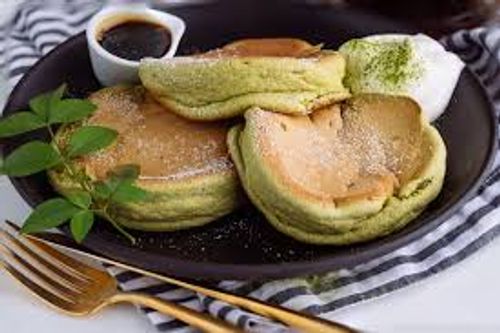
Picture: Matcha Pancakes Credit: Just One Cookbook Mainstream vs. Alternative Views
Mainstream
Matcha is often celebrated for its antioxidants and nutrients, such as glutamic acid and L-theanine, which are linked to a range of health benefits, from skin protection to cardiovascular and bone health, blood sugar regulation, and more. Compared with coffee, matcha is deemed to contain less caffeine, providing a smoother alertness without the jitters typical of other caffeinated drinks. It is believed to offer a slow, sustained release of energy that keeps you calm, focused, and alert throughout the day.
Alternative
Matcha is also praised as a ‘superfood,’ indicating a nutrient-rich plant that activates sirtuins, a group of genes associated with wellbeing, disease resistance, and fat burning. However, some biohackers suggest that consuming tea (matcha) with milk may reduce the absorption of its beneficial compounds like polyphenols. However, as you'll see in ‘What the science says,’ scientific research suggests a theoretical benefit for absorption, yet experiments do not show a difference in practice. In addition, potential heavy metal contamination has been raised as a health concern, since tea plants can naturally accumulate minerals and trace contaminants from the soil.
Beyond its nutritional value, matcha is suggested as a tool for body-mind focus, alongside practices like yoga and meditation. Proponents highlight its potential to balance energy, calm the mind, and support emotional well-being.
What the science says
The health advantages of tea stem mainly from catechins, potent plant nutrients, particularly epigallocatechin gallate (EGCG). While black tea has only 3% catechins, green tea contains 30%, and matcha stands out as the richest source among green teas.
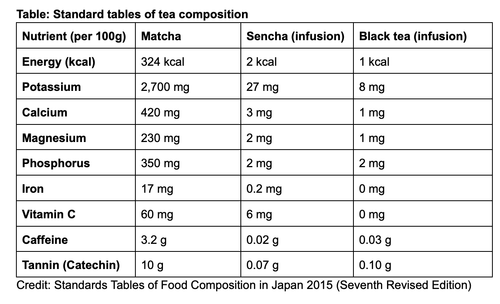
EGCG is a powerful antioxidant that helps neutralize free radicals, reduce oxidative stress, and protect tissues, with benefits linked to chronic diseases such as cancer, diabetes, and cardiovascular and respiratory conditions. Its effects depend on the amount present in the body. At low to moderate levels (≤10 μM), EGCG mainly acts as an antioxidant, protecting cells and supporting healthy functions. At higher levels (>10 μM), it can switch roles and act as a pro-oxidant, creating compounds like hydrogen peroxide that put stress on cells. While this may sound harmful, the effect can actually be useful in medicine, as it may trigger cancer cell death, making EGCG a potential aid in tumor treatment.
In addition, EGCG reduces inflammation by blocking key signaling pathways involved in stress and immune responses. Studies also show it can improve insulin function by reducing inflammation in fat tissue, improving insulin signaling, and alleviating insulin resistance and liver inflammation associated with obesity and fatty liver disease.
Epidemiological studies suggest that drinking tea may support better cognitive function and help protect against cognitive decline. Similar results have been seen in animal studies: for example, when EGCG was given to aging mice for 60 days, it reduced the buildup of β-amyloid (a protein linked to Alzheimer’s disease). The treatment also activated certain brain cells to help break down this protein and restored synaptic proteins, leading to improvements in memory and spatial learning.
EGCG has been shown to support cardiovascular health by improving heart function and blood profiles, largely due to its antioxidant and anti-inflammatory properties. Polyphenol like EGCG helps lower total cholesterol and LDL (‘bad’) cholesterol, reduce plaque buildup in the arteries, and promote a healthier gut microbiome. Tea polyphenols also enhance blood vessel function by relaxing the arteries and improving circulation.
Additionally, they may decrease harmful compounds that construct blood vessels, slow the progression of plaque formation, and lower the risk of blood clots by preventing platelet aggregation.
EGCG also shows promising effects in managing metabolic syndrome. In animal studies, it helped reduce body weight, body fat, and visceral fat, improved insulin sensitivity, lowered liver triglycerides, and decreased cholesterol. It also improved liver health, glucose metabolism, inflammation, and fibrosis in models of obesity and non-alcoholic fatty liver disease. While human studies have shown more mixed results, some benefits have been observed, including lower blood triglycerides and blood pressure. In particular, higher doses of EGCG in women with central obesity led to noticeable weight loss, reduced waist size, and decreased total and LDL cholesterol, all without harmful side effects.
It also helps to regulate the metabolism of carbohydrates therefore, balancing blood glucose. Animal studies suggest that EGCG can improve glucose tolerance and protect blood vessels from damage caused by high blood sugar. But human studies are more complex in findings, some research suggest that drinking several cups of tea daily may lower the risk of type 2 diabetes, while others find no significant effect.
EGCG from green tea may help prevent skin cancer and protect the skin from harmful sun exposure. One study found that men who drank more than 10 cups of green tea daily developed cancer about three years later than those who drank less, while women experienced a delay of over seven years. Additionally, regular intake of EGCG was shown to increase the amount of UV radiation needed to cause skin redness, further highlighting its protective effects on skin health.
Matcha contains more caffeine than regular tea because it is made from the buds and young leaves of the tea plant, which naturally have higher caffeine levels than mature leaves. Its unique cultivation, grown in the shade, reduces catechin content in the leaves, but these compounds are released in higher amounts when brewed. Matcha is also rich in amino acids, giving it a distinct umami flavor.
Caffeine in matcha has been linked to benefits such as supporting weight management. Studies suggest that doubling caffeine intake is associated with reductions in weight, BMI, and body fat. It may also improve muscle strength and power, particularly in the upper body. Additionally, the combination of caffeine and L-theanine in matcha promotes alertness and focus while reducing the jittery effects often associated with other caffeinated drinks. It may also improve muscle strength and power, particularly in the upper body. Additionally, the combination of caffeine and L-theanine in matcha promotes alertness and focus while reducing the jittery effects often associated with other caffeinated drinks.
Sirtuins are a group of seven proteins (called SIRT1 to SIRT7) that play an important role in cells. They help control how DNA is packaged and which genes are turned on or off. Some sirtuins, like SIRT1 and SIRT7, also help repair DNA and keep it stable, which is important for preventing aging and disease. Research shows that green tea extracts rich in EGCG can boost the activity of SIRT1, supporting fat metabolism and promoting healthy longevity. In animal studies, matcha supplementation improved metabolism, partly contributed by sirtuins to help regulate fat processing and reduce inflammation.
Tea polyphenols can spontaneously interact with amino acid residues of bovine milk proteins through hydrogen bonding and van der Waals forces, both of which are relatively weak chemical interactions. These interactions induce slight conformational changes in the protein structure, leading to the formation of polyphenol-protein complexes. Such complexes are actually thought to enhance the absorption of tea polyphenols, particularly catechins such as epigallocatechin gallate (ECG) and EGCG. Given the high reactivity of polyphenols, complexation with natural biopolymers like milk proteins is considered an effective strategy to improve their stability and delivery in the gastrointestinal tract, thereby enhancing their bioavailability and bioaccessibility. However, despite this theoretical promise, most human studies have shown no significant improvement in polyphenol absorption or overall bioavailability.
The study found that the fluoride content in matcha brews ranged from 3.36 to 4.03 mg/L, depending on leaf harvest time and brewing temperature, while the dry powder contained 118.39–121.65 mg/kg of fluoride. Matcha exhibited consistently high fluoride levels regardless of brewing conditions, with higher water temperatures producing higher fluoride concentrations in the beverage. According to the U.S. National Institutes of Health, the recommended dietary allowance (RDA) for fluoride is 4 mg/day for men and 3 mg/day for women. Consuming approximately three cups of matcha may provide up to 66.8% of the daily recommended intake. Therefore, fluoride derived from matcha can contribute substantially to total dietary fluoride intake, which may influence thyroid and bone health if overall fluoride consumption is excessive or if iodine status is inadequate. On the other hand, if you are trying to reduce fluoride while getting the benefits of matcha, it seems to be a question of quality and sourcing, which you can read more about in ‘Common questions’.
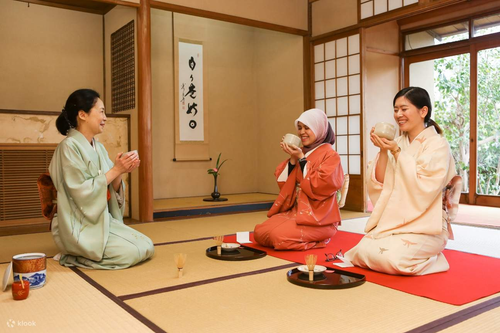
Image: Japanese Tea Ceremony Credit: The Good Life Company Matcha is traditionally consumed in the Japanese tea ceremony, which centers on the mindful preparation and serving of the tea. Each ritualized step is designed to minimize distraction and focus attention. While specific details may vary depending on participants, season, and setting, the ceremony consistently follows time-honored procedures using traditional utensils. Typically held in a tatami-matted room with shoji screens and simple decor, the ceremony emphasizes humility, beginning with entry through a low door, and is led by a tea master who has spent years perfecting the practice.
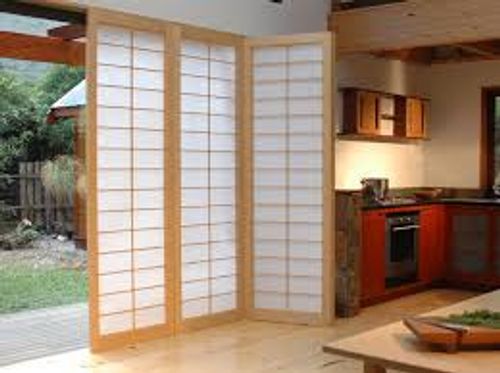
Image: Shoji screen Credit: Nolans Flooring & Blinds Participants who fully immerse themselves in the ceremony often report a calming effect. Many people say that the ceremony helps them develop awareness of their mind and body, turning stressful moments in everyday life into experiences of calm and meaning. This practice also helps them stay fully present, letting go of worries about the past and anxieties about the future.
Who it might help and/or harm?
General population
For people who rely heavily on coffee or energy drinks, matcha can be a gentler alternative. It provides steady energy and calm focus without the common jitters or crashes.
Pregnancy
During pregnancy, the body processes caffeine more slowly, meaning it stays in the mother’s bloodstream longer. Excess caffeine intake has been linked to risks such as growth restriction, low birth weight, preterm birth, and even stillbirth. For this reason, it’s important for pregnant women to be mindful of their overall caffeine consumption, including from matcha.
Breastfeeding
It’s best to limit or cut back on caffeine while breastfeeding, as it may make the baby restless or affect their sleep.
Individuals who are sensitive to caffeine
Matcha contains caffeine, which may cause insomnia, restlessness, or a racing heartbeat in sensitive individuals. In these cases, a decaf alternative might be a better option.
Individuals with iron deficiency
Compounds in green tea can reduce iron absorption, especially if consumed with meals. Drinking matcha between meals can help minimize this effect.
Individuals with lactose intolerance or prefer to avoid dairy
Matcha is perfectly enjoyable on its own, even though the matcha latte has become a global favorite. Drinking pure matcha allows you to fully appreciate its rich, layered flavor profile and smooth umami taste. While milk ideally can slightly alter the bioavailability of certain antioxidants and minerals in matcha, its impact is generally modest. Importantly, EGCG, one of matcha’s most potent antioxidants, largely retains its activity even when consumed with milk. Plant-based milks tend to interfere less with nutrient absorption, making them a potential alternative if you're seeking to maximize matcha benefits, but we wouldn’t stress about it.
People with certain health conditions
Heart conditions or high blood pressure: Too much caffeine may worsen symptoms.
- Kidney issues: Matcha contains oxalates, which in excess may contribute to kidney stones.
- Digestive sensitivity: Its slight acidity and caffeine can irritate the stomach lining, causing nausea or discomfort, especially on an empty stomach.
- People who are on some medications
- Blood thinners (e.g., warfarin): Matcha is high in vitamin K, which can reduce their effectiveness.
- Stimulants (e.g., ADHD meds, caffeine supplements): Matcha’s caffeine may intensify side effects like jitteriness, anxiety, or rapid heartbeat.
- Liver-metabolized drugs (e.g., certain antibiotics, antidepressants, antifungals): Excessive EGCG (rarely from drinking matcha, more often from supplements) may put extra strain on the liver.
For most people, drinking matcha in moderation is safe. Concerns usually arise with very high intake, especially from supplements. If you're on medication or managing a health condition, it’s best to check with a healthcare provider before making matcha a daily habit.
How to stack it?
Upper limit
For the general population, the Mayo Clinic states that up to 400 mg of caffeine per day is considered safe for most healthy adults. This is roughly equivalent to 5–6 cups (about 500 ml each) of prepared matcha tea, depending on how strong it’s brewed.
For pregnant women, caffeine intake should be more limited. The WHO recommends no more than 300 mg per day, while the NHS (UK) advises staying under 200 mg per day to reduce risks such as low birth weight or miscarriage.
Synergistic pairings
Vitamin C: Vitamin C can help your body absorb the antioxidants in matcha, especially EGCG. One study found that adding vitamin C boosted EGCG absorption from around 30% to nearly 100% under certain conditions. When combined, vitamin C and EGCG work together more powerfully, offering stronger protection against oxidative stress than either one alone.
Fats
Fats improve the bioavailability of antioxidants, making matcha’s polyphenols more effective. While EGCG absorption often drops when taken with food, certain nutrients, like omega-3s from sources like fish oil, may actually improve its bioavailability.
Cacao
Although pairing matcha with chocolate or cocoa is trendy, studies show cocoa doesn’t enhance EGCG absorption. In fact, it may reduce how much your body takes in when consumed together in complex foods. Plant proteins can help stabilize EGCG and make it easier for your body to absorb. They work by protecting it from breaking down too quickly and improving its ability to pass through cell membranes.
Common questions
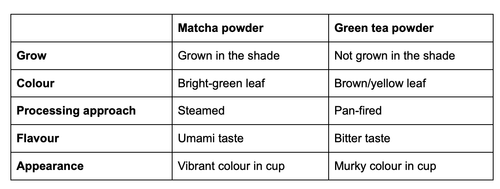
What are the key differences between a green tea powder?
How to whisk matcha? [61]
Making matcha is easier than you think! All you need is high-quality matcha powder, a bowl, and a bamboo whisk. If you don’t have a traditional whisk, an electric frother can work in a pinch, but for the authentic and meditative experience, it’s worth trying the classic bamboo whisk.
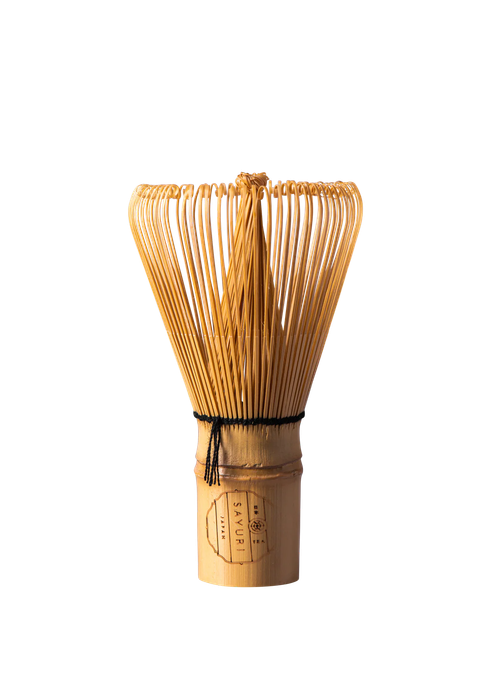
Image: Bamboo whisk Credit: SAYURI Start by adding one to two scoops of matcha powder to your bowl. Pour in a small amount of cold water (about a teaspoon) and use the whisk to slowly blend it into a smooth, lump-free paste.
Next, add hot water, ideally around 80°C (175°F), and begin whisking vigorously using your wrist (not elbow) while holding the bowl steady with your other hand. Move the whisk quickly back and forth in a W or zigzag motion, rather than stirring in circles. This helps incorporate air and ‘wake up’ the tea, creating that beautiful, frothy surface.
After about 20 seconds, pause and check the foam. If you’d like more, whisk a little longer until it reaches your desired texture.
Finally, take a breath, admire your bright green foam, and enjoy your matcha moment.
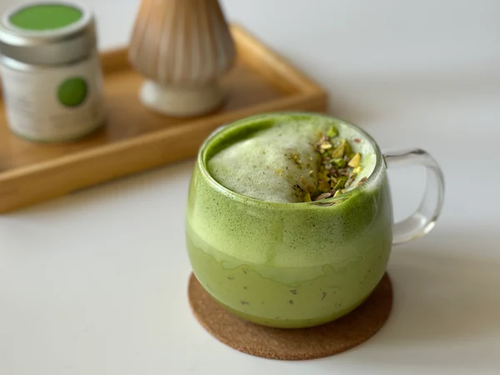
Image: Pistachio Cold Foam Matcha Latte Credit: Matcha.com And don’t forget to join LifeStack’s Matcha Community to share your whisking tips and favorite matcha recipes!
What is ‘ceremonial grade’ matcha? [62]
The term ‘ceremonial grade’ matcha is largely a marketing invention popularized in Western markets. In Japan, there is no official standard or regulation for this label.
Instead, matcha quality in Japan is traditionally judged by color, aroma, texture, and flavor profile, and is generally divided into three main types:
- Koicha (濃茶): Extra-high quality, made from handpicked first-harvest tencha. Used to prepare thick, rich tea for formal tea ceremonies.
- Usucha (薄茶): High-quality but lighter than koicha, used for ‘thin tea’ preparations and less formal occasions.
- Keiko: Matcha which is suitable for tea practice lessons or daily enjoyment. Typically more affordable and blended for everyday use.
Other commonly used terms include:
- Culinary grade (料理用抹茶): Designed for cooking, baking, and lattes. Usually made from older or lower-quality leaves, with a stronger flavor suitable for mixing with other ingredients.
How to check matcha’s quality?
There are lots of different types of matcha: ingredient versus premium, culinary versus classic. All these descriptions can be very confusing.
Telling the quality of matcha from a packet is challenging, but here are a few guidelines: For matcha from Japan, choose the one in particular from Uji and Nishio.
- Look out for a recognized brand name.
- Matcha should come in a high-quality airtight container, whether tins or sachets.
- The packet should have an organic certification.
- A top-quality matcha should be: bright grass green, almost neon.
- sweet, and not at all bitter.
- smooth to the touch, not grainy.
To maintain freshness,
store matcha in a cool, dark place, ideally the refrigerator. Minimize light exposure by replacing the lid promptly after use. For long-term storage, freezing is recommended.
Do I really need to worry about heavy metals and fluoride in matcha?
In short, yes, but only to a degree. Tea plants naturally absorb minerals and trace contaminants from the soil, and because matcha involves consuming the entire leaf rather than just steeped water, it can contain higher levels of heavy metals and fluoride than brewed tea.
That said, the main risks come from low-quality matcha grown in polluted or unregulated regions. Choosing high-quality, reputable brands, which test for contaminants and meet safety standards, greatly reduces concern. Moderate consumption and balancing iodine intake are also wise.
If Matcha is so good, then why not just drink it all the time every day?
The reasons can be divided into three aspects: cultural, economic, and scientific.
Culturally, as mentioned earlier, matcha has long been regarded as a premium product, at certain periods even a symbol of high social status or part of religious practices. Historically, it has been associated with tea ceremonies and special occasions as a gesture of respect toward guests, rather than as an everyday beverage.
Economically, it’s not surprising that high-quality matcha tends to be expensive, which makes it less common for daily consumption. Producing good matcha is labor-intensive and involves meticulous processes, such as steaming, refining, and grinding. By contrast, sencha is more affordable and therefore more commonly enjoyed as an everyday tea.
Scientifically, as mentioned before, there are also concerns about overconsumption. Matcha contains relatively high levels of EGCG and caffeine, and excessive intake can lead to unpleasant physical symptoms such as digestive sensitivity, increased liver burden, or reduced iron absorption. Also, as fluoride is also high in matcha, multiple cups a day might lead to excessive fluoride intake, which can result in nausea, vomiting, abdominal pain, diarrhea, and periostitis [46].
This article is for informational purposes only and does not constitute medical advice. Consult a healthcare provider before making changes to your health routine.