
What is fibermaxxing? And what can we learn from the trend?

Fibermaxxing is the trend of loading up on fibre to get the most out of its health benefits. It stems from the recommended 30g of fibre a day, a target most of us miss. The average adult in the UK gets just 15–20g.
Fibre is best known for supporting gut health, but its benefits go beyond that. It also supports the immune system, hormone balance and steadier blood sugar.
But more isn’t always better. Increasing fibre too quickly can backfire, especially if your gut is sensitive, and lead to bloating, constipation or general digestive discomfort. I always recommend a slow build: small, steady additions your body can adjust to. The good news is there are plenty of simple ways to do this.
And it’s not just about quantity. The real key is variety: the more diverse your fibre sources, the more your gut will thank you.
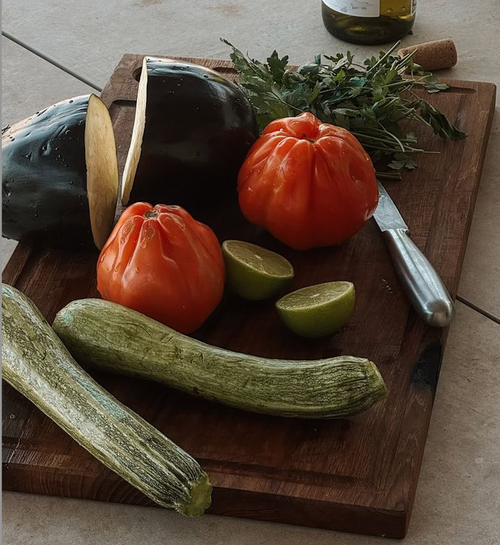
Three easy ways to increase your fibre
1. Make the base of your plate mostly plants
When plants make up most of your plate, your fibre intake goes up naturally. Aim to fill it from a mix of:
Vegetables: peas, greens, roasted roots
Fruit: berries, pears, apples with the skin on
Legumes: chickpeas, lentils, beans, edamame
Whole grains: oats, rye, seeded breads
Sprouts: alfalfa, broccoli or lentil sprouts
Different plants contain different types of fibre, each feeding your gut in its own way. A helpful goal is around 30 different plants a week, and herbs, spices, nuts and seeds all count.
2. Choose whole grains over refined grains
Small, consistent changes can have a big impact in the long run. For example, reach for:
Brown rice, wild rice or quinoa instead of white basmati rice
Wholewheat, lentil, buckwheat or chickpea pasta instead of white pasta
A wholegrain, lentil or chickpea wrap instead of a white flour wrap
Potatoes and sweet potatoes with the skin on instead of peeled
A homemade pasta sauce with added lentils and vegetables instead of a shop-bought one
Extra tip: Try ancient grains like rye, spelt or kamut. If you avoid gluten, brown rice, oats and buckwheat are all naturally gluten-free.
3. Add a little more throughout the day
You don’t need to overhaul your meals. Just add to what you already eat:
Berries to your yoghurt bowl or smoothie
Lentils to pasta sauces
Seeds and nuts to salads and roasted vegetables
Beans to salads or on toast
Breakfast is the easiest place to start. For example:
40g oats, cooked with a grated pear (skin on): about 7g
1 tbsp chia seeds: about 3.5g
A handful of raspberries: about 5g
1 tbsp pumpkin seeds: about 1.5g
A sprinkle of walnuts: about 1g
That’s around 18g of fibre, well over half your daily target in one bowl.
4. The power of beans (and how to make them work for your digestion)
Beans, chickpeas and lentils are some of the best sources of fibre you can add to your diet, and they’re cheap and filling too. I know they get a bad rep for causing digestive discomfort, but if you introduce them slowly and properly, they can do wonders for your gut. If they’ve given you trouble before, try these:
Start by adding a few tablespoons of cooked beans, lentils or chickpeas to a soup or salad, building up to around half a cup
Cook them with digestion-friendly spices such as cumin or fennel seeds
When using tinned, drain and rinse them well. Tinned lentils and chickpeas are often the easiest to digest
If cooking from scratch, soak them overnight, then drain and rinse them before cooking
Final tips for increasing fibre slowly but surely:
Add around 5g a week, gradually building up to 30g a day
Increase your water intake, as fibre needs fluid to work properly
Chew thoroughly and eat slowly
It's easy to keep track of your daily fibre intake on the Lifestack app!
https://link.springer.com/article/10.1007/s11883-013-0324-x
https://www.nature.com/articles/s41430-021-00875-9
https://www.mdpi.com/2072-6643/5/4/1417
https://www.nutrition.org.uk/media/kztjbtky/final-fibre-summary-report_june-2026-3.pdf
Want to dive deeper and explore more articles? Download the Lifestack app to unlock the full experience: