

What is a Whole-Food, Plant-Based (WFPB) Diet?
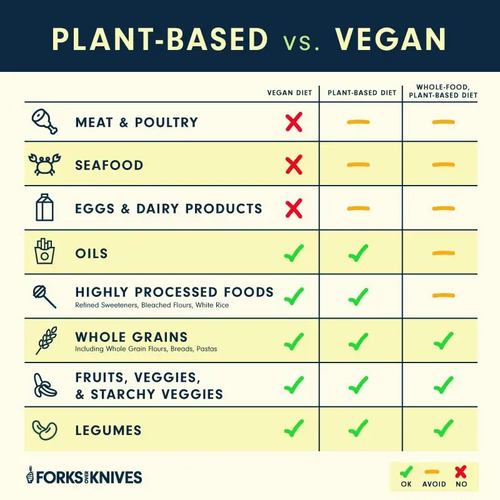
A WFPB diet is a dietary pattern that prioritizes whole, minimally processed foods with the majority composition coming from plant-based sources. Unlike vegetarian or vegan diets, it focuses less on food labels and more on food quality, and typically encourages reducing rather than strictly eliminating animal-based foods. In other words, you can still eat meat while implementing the WFPB diet.
What's the difference between the WFPB diet among vegetarian and vegan diets?
The WFPB approach is guided by two principles: eating foods in their whole or minimally processed forms, and centering the diet on plants while allowing animal-sources as a side. While vegetarian and vegan diets are defined by the exclusion of animal products, they may still include highly processed plant-based meats, cheeses, and substitutes. In contrast, a WFPB diet emphasizes close-to-nature foods and generally avoids ultra-processed products, aiming to support nutritional adequacy and long-term health.
Real-World scenario: Why keeping room for animal-based foods matters?
While vegetarian and vegan diets may encourage consumers to choose plant-based meat as a replacement, the WFPB diet allows animal foods as long as they are whole or minimally processed. We selected one plant-based burger patty and one animal-based burger patty as examples. For a fair comparison, both products were sourced from the same retailer.
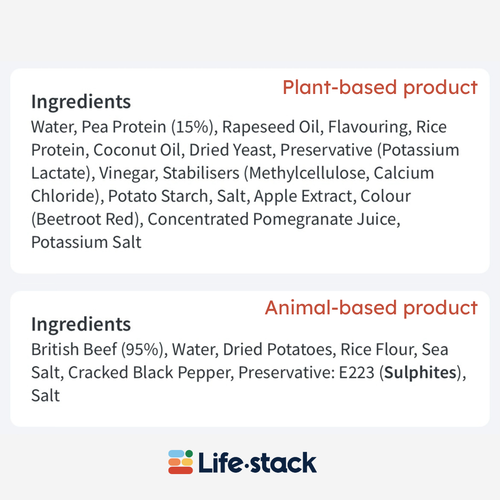
The product above is plant-based and clearly a highly processed food, containing several ingredients that may raise concerns for long-term health, including rapeseed oil, methylcellulose, potato starch, and rice protein. Potential concerns associated with frequent consumption of ultra-processed foods include inflammation, changes to the gut microbiota, and blood-glucose spikes. The animal-based product is not an ideal option either, but it has a shorter and simpler ingredient list. It still contains additives such as the preservative E223 (sulphites), dried potatoes, and rice flour, which may also raise health concerns, though the overall formulation appears less processed than the plant-based alternative.
A brief history
Long before the WFPB approach became a formal nutritional concept, its core ideas were already part of human history. Across Asia, Africa and Europe, early human diets relied heavily on plant foods and often aligned with cultural and religious values. Ideas such as sophronyne in ancient Greek philosophy, which emphasized balance and restraint, or the principle of moderation in Buddhism, reflected similar approaches to eating. In most ancient societies, plant foods such as grains, beans and vegetables made up the majority of daily meals. Animal based foods were consumed far less frequently and were often reserved for special occasions or celebrations rather than everyday eating. The traditional Okinawan diet is one of the best-known real-world examples of a naturally plant-forward eating pattern and is often highlighted in Blue Zones research. It closely resembles today's WFPB approach, with a strong emphasis on vegetables and fruits and lower intake of meat, refined grains, saturated fat, sugar, salt, and full-fat dairy. Okinawa is famous for its long life expectancy, high number of centenarians, and low rates of age-related disease. Researchers often attribute this to lifestyle factors, especially a diet that is low in calories yet rich in nutrients, antioxidants, and flavonoids.
The term whole-food, plant-based was popularised by Dr. Colin Campbell in the 1980s, following his work on The China Study, one of the largest international nutrition epidemiology studies ever conducted. The study examined health outcomes across 65 rural counties in China over a twenty-year period. Researchers compared mortality data from chronic diseases and cancers with detailed dietary surveys and blood samples collected from approximately 100 individuals in each county. The findings suggested that populations consuming predominantly whole, plant-based foods, while minimizing processed foods and refined carbohydrates, experienced significantly lower long-term rates of many chronic diseases.
What the science says
At the beginning of the 21st century, growing scientific evidence began to link high intakes of red and processed meat to cardiovascular disease, diabetes, stroke, coronary heart disease, and several types of cancer, particularly colorectal cancer. In response, major health authorities, including USDA Dietary Guidelines and WHO, gradually updated dietary guidelines to recommend limiting red and processed meat. This shift has contributed to the growing promotion of plant-based diets as healthier dietary patterns, alongside public initiatives such as the Meatless Monday campaign. Current evidence from nutrition science research broadly supports the health benefits of WFPB diets. These benefits include improved cardiovascular and metabolic health, better blood glucose regulation, more effective weight management, and potential benefits in managing early stage prostate cancer. What distinguishes the WFPB diet, however, is its long-term acceptability and sustainability outside clinical settings. In Wright’s study, participants (who are either overweight or obese) were allowed to eat without calorie restriction, yet achieved the greatest weight loss at 6 and 12 months among community based interventions that did not restrict total energy intake or mandate exercise. This remains the most significant weight loss of its kind reported in the medical literature. Participants cited satiety as a key reason for adherence, and the health benefits were largely maintained 12 months after the trial ended.
Mechanisms
Such outcomes are largely attributed to the overall nutritional profile of WFPB diets, which are typically higher in dietary fibre, richer in polyphenols and antioxidants, and lower in saturated fat and dietary cholesterol. In parallel, reduced reliance on highly processed foods helps limit excess energy intake and prevents the displacement of nutrient-dense whole foods. Importantly, the health effects of WFPB diets are rarely attributed to a single nutrient or food component. Instead, they are generally understood as the result of a holistic dietary pattern in which multiple mechanisms act synergistically. Increased fibre intake improves satiety and glycaemic control, while also shaping gut microbiota composition and reducing low-grade systemic inflammation. High intakes of whole grains, legumes, vegetables, and fruits further lower dietary energy density due to their high water and fibre content, supporting weight regulation and metabolic health.
Specific food components within WFPB diets may contribute to these effects without acting in isolation. Animal proteins are usually considered "complete" proteins because a single food source provides all nine essential amino acids. Most plant proteins, by contrast, are "incomplete," meaning that one plant food alone may not supply all essential amino acids. But combining different foods, like rice with legumes or bread with peanut butter, can cover the gaps. Protein from animals is also more bioavailable, with about 90–100% absorbed, compared with 60–80% for plant proteins. This difference is largely due to fiber in plant foods, which can reduce absorption.
Within a WFPB diet, plant proteins tend to be richer in amino acids such as glutamic acid and arginine. Glutamic acid intake has been associated with lower blood pressure, while arginine serves as a precursor for nitric oxide, supporting vasodilation and endothelial function.
Criticism and controversies of WFPB
In Dr. Ornish’s clinical studies, dietary intervention typically limits fat intake to about 10% of total calories. Importantly, this fat is meant to come from whole foods that naturally contain fat rather than from added oils. Because of their high fat content, foods such as avocados and nuts are also excluded. This is why the approach is often labeled as extreme. However, Ornish described it as a "therapeutic dose," a targeted intervention designed for patients with severe atherosclerosis to help reverse arterial blockages without medication, rather than a diet intended for healthy individuals. These trials generally involve small sample sizes, largely due to the constraints of randomized controlled trial (RCT) design and the challenges of long-term adherence. Studies that require participants to maintain a specific lifestyle or dietary pattern over extended periods are difficult to conduct with large cohorts. In Ornish’s study, the gold-standard imaging method at the time, quantitative coronary angiography, was used for all participants to track the progression of heart disease, which required substantial financial resources.
WFPB discussions often attribute the benefits mainly to plant foods themselves, such as their fibre, antioxidants, and polyphenols, while the reduction of ultra-processed foods and industrial seed oils receives far less attention. This can make it difficult to isolate the true drivers of the observed health outcomes. There is still a lack of trials directly comparing a whole-foods meat-inclusive diet without added oils versus a whole-foods plant-based diet without added oils. What is clear, however, is that the near-elimination of ultra-processed foods remains a central pillar of WFPB patterns and likely contributes substantially to the improvements seen.
Meatless Monday
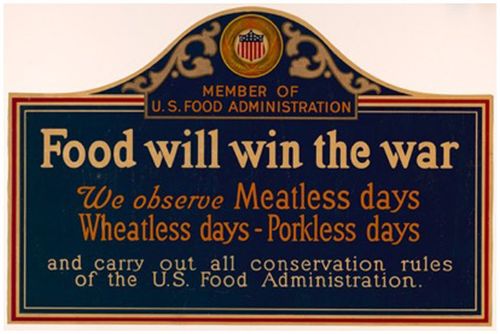
Launched in 2003, the Meatless Monday campaign was founded by advertising creative director and public health advocate Sid Lerner. He was concerned about excessive saturated fat intake in the American diet and was also motivated by his own health, after his doctor advised him to lower his cholesterol, which we now know is a shaky foundation. At the time, Americans were consuming about 15% more meat and fat than recommended. Lerner calculated that 15% of 21 weekly meals equals roughly three meals. He concluded that skipping meat one day a week was the simplest way to reduce intake to healthier levels. The idea of Meatless Monday also has historic roots. During World War I and World War II, meatless days were observed in the United States and other countries to conserve food and support Allied troops in Europe. Wartime conditions disrupted food production and supply due to labour shortages, damaged farmland, limited agricultural inputs, and the loss of key transport routes, leading to widespread shortages. To preserve meat for military use, many countries introduced meatless days, ranging from one day per week in England to as many as three days per week in Bulgaria and later France.
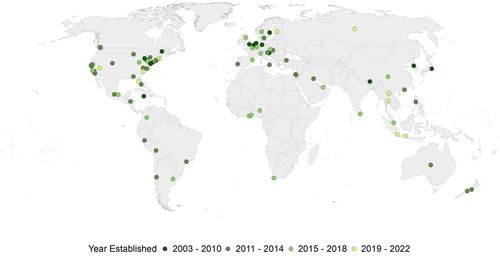
Between 2005 and 2021, public awareness of Meatless Monday in the United States increased from around 9% to 38%, peaking at 50% in 2011. Today, Meatless Monday initiatives are present on every continent except Antarctica.
Since 2006, reports from the Food and Agriculture Organization of the United Nations have identified livestock production as a major contributor to greenhouse gas emissions, deforestation, and biodiversity loss. These findings highlight the need for urgent action and the important role consumers can play in driving change. Modelling studies suggest that introducing a global meatless day could reduce environmental impacts in high income countries, though it may lead to a small net global increase due to dietary shifts in lower and middle income regions where meat consumption is already low. Influenced by evidence from the FAO and the IPCC, public figures and advocates have supported initiatives like Meatless Monday as a practical and accessible entry point for reducing meat consumption and environmental impact.
Who it might help and/or harm?
Individuals who are at risk of nutrient deficiencies, including vitamin B12, iron, and fat-soluble vitamins, as well as those with increased nutritional needs such as children and adolescents, people who are pregnant or breastfeeding, and individuals recovering from surgery, should follow a WFPB diet under professional supervision. Appropriate monitoring and guidance are important to prevent nutritional imbalances and support healthy growth and recovery. In addition, people with certain gastrointestinal conditions, including chronic pancreatitis or other digestive disorders, may be sensitive to high-fibre or large-volume meals and may require dietary modifications to improve tolerance. Overall, the WFPB diet is not inherently suitable for everyone. Individual adaptation is often necessary, and guidance from registered dietitians or qualified healthcare professionals may be required to ensure that this dietary pattern aligns with diverse nutritional needs and individual health conditions.
How to stack it?
Trying a WFPB diet does not require dramatic changes or additional effort. The key principle is to reduce reliance on ultra-processed foods, including ready-to-eat meals and common confectionery items, and to prioritize minimally processed plant foods such as fruits, vegetables, legumes, and whole grains. A practical way to begin is through simple substitutions, gradually replacing refined grains with whole grains or animal-based meals with legume-centered dishes. For beginners, starting with one plant-forward meal per day or adopting a meat-free day each week can be an effective and sustainable entry point.
This article is for informational purposes only and does not constitute medical advice. Consult a healthcare provider before making changes to your health routine.