

What is Caffeine?
Caffeine is the most widely consumed psychoactive drug globally. It is commonly found in coffee, tea, chocolate, and energy drinks. Because of its prevalence, many people don’t recognize caffeine as a drug or an addictive substance. Today, people consume caffeine for more than just its taste and aroma; they often seek its physical and mental effects intentionally. For instance, a cup of coffee or tea at breakfast helps people wake up. It's also used to stay alert for special occasions, by night shift workers, or by students studying late. Caffeine's impact on sport performance leads to the prevalent consumption among players and athletes before or during matches and competitions. Additionally, caffeinated drinks play a role in some religious or cultural practices, such as tea in meditation.
Example dietary source
Caffeine is naturally present in over 60 plants, including the coffee plant (Coffea canephora and Coffea arabica), tea plant (Camellia sinensis), cacao plant (Theobroma cacao), yerba mate (Ilex paraguariensis) and kola plant (Cola nitida). These botanical sources contribute to many caffeinated products available today, such as coffee, tea, chocolate, and mate. Beyond these natural forms, caffeine is also found in artificially produced products like tablets, oral supplements, and inhalants, and is commonly added to soft drinks and energy drinks.

Image: Yerba Mate Credit: Vida Maté
Caffeinated beverages are the primary source of caffeine consumption. As of 2021 statistics, approximately 80% of the global population consumes caffeine daily, averaging around 200 mg, the equivalent of about three espresso cups per day.
A brief physiology and pharmacokinetics
Caffeine acts as an adenosine antagonist in the central nervous system. By occupying adenosine receptors, it blocks the neuromodulator responsible for promoting drowsiness and slowing neural activity, thereby inducing wakefulness. Beyond its primary mechanism, caffeine also increases levels of adrenaline, serotonin, and dopamine, neurochemicals associated with alertness, mood elevation, and habit formation. It functions as a mild vasodilator and diuretic, temporarily raising blood pressure and stimulating smooth muscle activity.
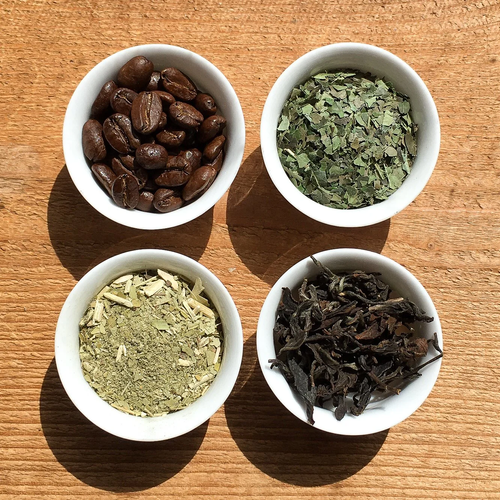
Image: Coffee, Yaupon, Tea, Yerba Mate - Plants that contain caffeine Credit: Boulder Dushanbe Teahouse
Caffeine concentration in the blood typically peaks 30-60 minutes after consumption. Its half-life, which is the time it takes for half of the caffeine to be eliminated from the body, can range from 1.5 hours to 9.5 hours. This wide range is influenced by various factors, including age, body weight, lifestyle (smoking), living condition (altitude), medication intake, and liver health. Despite these variations, most caffeine is cleared from the body within 12 hours.
A brief history
Key events and scientific milestones
The scientific history of caffeine itself began in 1819 when, as reported in Dictionary of Chemistry, German chemist Friedlieb Ferdinand Runge first isolated the chemical from coffee. In 1827, scientist M. Oudry discovered a chemical in tea he called “theine,” which he assumed to be a different agent but that was later proved by another researcher Gerardus Johannes Mulder and Carl Jobst, to be identical with caffeine. German chemist Hermann Emil Fischer first synthesized caffeine from its chemical components in 1895. Two years later, he also determined the compound's structural formula. This work contributed to Fischer being awarded the Nobel Prize in 1902.

Image: Friedlieb Ferdinand Runge Credit: Chemistry World
A little extension to botany and entomology
Many plant alkaloids evolved as chemical defenses, yet in low doses they can attract pollinators. Research has shown that several caffeine-producing plants, including coffee, tea, and citrus, contain caffeine in their nectar, which enhances pollinator memory and loyalty rather than repelling insects. Experiments led by British entomologist Geraldine Wright demonstrated that bees fed caffeinated nectar were more likely to remember and return to those flowers, even when caffeine levels were too low to taste. Subsequent studies confirmed that caffeine increases “pollinator fidelity,” causing bees to prefer and return to caffeinated flowers.
Further research by Margaret Couvillon revealed that caffeine drives bees to overestimate nectar quality and overcommit to depleted flowers, which increase plant pollination while reducing colony productivity. These findings indicate that the interaction between caffeine-producing plants and pollinators is not entirely mutualistic, but rather represents a sophisticated form of chemical manipulation that disproportionately benefits the plant more than the pollinator.
A glimpse of English society and culture
Caffeinated drinks are overwhelmingly numerous and diverse these days, however, caffeine entered human civilization relatively late. Before the introduction of coffee and tea, alcohol was the primary beverage in Europe, consumed throughout the day, including at work. The arrival of coffee in the 17th century replaced alcohol as the preferred stimulant, promoting sobriety, alertness, and productivity. Coffee’s stimulating effects aligned with the growing need for mental rather than physical labor during the rise of nationalism and the early capitalist economy.
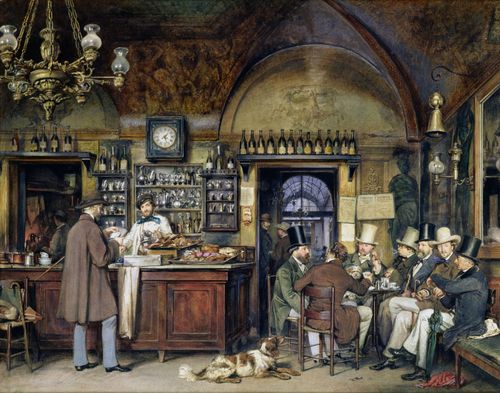
Image: Artist in Café Greco in Rome by Ludwig Passini Credit: DailyArt Magazine
Caffeine consumption coincided with the increasing importance of clock-based time, supporting the shift toward disciplined, scheduled work. By enabling wakefulness beyond natural circadian limits, caffeine, along with artificial light, made late and night shifts possible, fundamentally altering human work patterns. Tea later played a similar role among the English working class. Sweetened with West Indian sugar and imported through trade with China, it became the dominant source of caffeine and an essential driver of industrial productivity during the Industrial Revolution.
Traditional vs. modern usage
Caffeine first appeared as part of traditional beverages used in rituals and ceremonies. By around 1000 AD, coffee had reached the Middle East, where it became central to Muslim social and religious gatherings, helping people stay alert during prayers, much like tea among Chinese and Japanese Buddhists monks. In Africa, coffee berries were once crushed and mixed with fat to create an energy-rich food for warriors before battle. Similarly, kola nuts in West Africa and yaupon holly teas in North America held cultural and ceremonial significance.
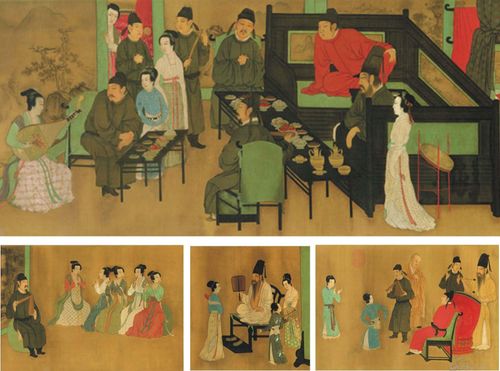
Image: Tea Party in Hui Hills by Wen Zhengming Credit: Pointe St. Charles Art School
Before caffeine became a daily habit, its beverages were valued mainly for medicinal purposes, prescribed for headaches, digestive issues, and fatigue. Historically, caffeine was occasionally used in anesthesia to temporarily elevate dangerously low blood pressure, though this practice has been replaced by more reliable pharmacological agents. Today, caffeine is deeply woven into modern life. People around the world consume it in countless forms, instant coffee, bottled drinks, supplements, and energy shots, for its quick, stimulating effects. Beyond function, caffeine has also taken on social and recreational roles, shared through coffeehouse meetups, boba tea runs, and the ritual of workplace coffee breaks.
Mainstream vs. Alternative Views
Mainstream
Moderate caffeine consumption is considered safe and has beneficial effects to overall health in the healthy population, with the highlight of cardiovascular disease, cognitive function, liver function, mental health and cancers. With regards to the development of cancer and tumors, the protective effects against certain types of cancers are well-accepted.
Alternative
Independent researcher Ray Peat had a few comments on caffeine, with the criticism of the ongoing misconception of caffeine in leading to fibrocystic breast diseases, which is a common benign breast condition characterized by lumpy, tender breasts, often coinciding with the menstrual cycle. Peat argues instead that caffeine may play a protective role. Sleep researchers, including Matthew Walker, emphasize caffeine’s disruptive impact on sleep as its most significant health concern. Chronic sleep deprivation, exacerbated by caffeine use, has been associated with elevated risks of neurodegenerative and cardiovascular diseases, as well as mood and metabolic disorders. Some perspectives emphasize that caffeinated products can be addictive, similar to drugs such as cocaine or heroin. Although caffeine does not cause the same level of harm to overall health, it can still pose a concern when individuals become dependent on it or feel controlled by their need for caffeine.
What the science says
Caffeine is perhaps the most studied drug in human history. Its widespread use has prompted decades of research into how it affects everything from the heart and mind to the risk of cancer and other diseases.
Caffeine and cardiovascular diseases (CVD) Scientific interest in caffeine’s role in CVD has persisted for more than a century. Platelet aggregation occurs when platelets stick together at the site of a blood vessel injury to stop bleeding. This is the first step in blood coagulation, which later involves clotting factors that stabilize the plug and form a firm blood clot. Evidence suggests that caffeine may inhibit platelet aggregation, producing a mild anti-thrombotic effect, that is, a slightly lower risk of stroke and coronary heart disease. This effect appears stronger in coffee consumption than in caffeine supplements alone, implying that other compounds in coffee may also contribute. However, no significant influence of caffeine on the overall coagulation process has been observed in healthy individuals. Caffeine intake can cause a temporary increase in blood pressure among non-users. Yet, long-term studies show no lasting adverse cardiovascular effects in habitual moderate consumers, likely due to the development of tolerance [11] [14]. A major prospective study involving more than 12,000 participants with elevated blood pressure and cholesterol found no association between coffee consumption and the incidence of heart disease or mortality in this high-risk population [11]. These findings are consistent with several other large-scale studies, including a 1990 New England Journal of Medicine cohort of 45,000 men, the Framingham and Evans County studies (1960–1969), and research from Gothenburg, Sweden, all of which similarly reported no link between caffeine intake and overall mortality [15] [16] [17] [18]. Caffeine and cancers Research on the relationship between caffeine and cancer began after early animal studies suggested a positive correlation. However, because coffee contains many compounds beyond caffeine, distinguishing caffeine’s specific effects has been difficult. Much of the early research examined coffee as a whole, leading to confusion about its link to cancer, while few studies isolated caffeine’s role in tumor activity. Findings have shown that tumor incidence may vary depending on dosage, timing, and experimental methods. Large-scale epidemiological studies, including a Norwegian cohort of over 15,000 participants and subsequent reviews by the International Agency for Research on Cancer, have found no significant association between coffee or caffeine consumption and the incidence of major cancers, including esophageal, pancreatic, bladder, kidney, and ovarian cancers [11] [19]. The relationship between caffeine and fibrocystic breast diseases (FBD) has also attracted attention. While some studies, including one from the National Cancer Institute, reported a link between high caffeine intake and increased prevalence of the condition, others found no correlation or noted improvement after caffeine reduction. Clinically, caffeine restriction is sometimes recommended to relieve breast pain and tenderness in FBD, but it is not considered a definitive treatment or preventive measure [20] [21] [22]. Caffeine restriction is sometimes recommended to relieve breast pain and tenderness in FBD, but it is not considered a definitive treatment or preventive measure [23]. Caffeine and liver function Most research suggests that coffee is generally good for liver health. Studies show that people who drink coffee regularly have a lower risk of developing chronic liver diseases, fatty liver, cirrhosis, and liver cancer. Caffeine raises basal and resting metabolic rates by up to 15% for several hours and may act as an ideal mild appetite suppressant [28]. Moreover, research suggests that caffeine can serve as an ergogenic aid by increasing fat utilization, reducing glycogen depletion, and lowering perceived exertion during extended, high-intensity exercise [29] [30]. However, these effects vary depending on factors such as dosage, timing, individual metabolism, exercise type and duration, caffeine tolerance, and pre-exercise nutrition [30] [31]. Caffeine and cognitive performance and function Caffeine is widely recognized for its ability to enhance alertness, memory, learning, and overall cognitive performance, though its effects vary depending on the task, individual state, and level of experience. Research generally shows that caffeine improves performance on simple, familiar, and routine tasks, while it may hinder more complex, novel, or creative ones [11] [33]. It tends to increase speed in mental and psychomotor activities, sometimes at the expense of accuracy, and its impact is further shaped by factors such as skill level and personality [9]. Commonly used to combat fatigue during all-nighters, particularly among students preparing for exams, caffeine helps sustain attention and reduce tiredness, thereby supporting performance on repetitive or attention-based tasks. However, it does not consistently enhance higher-order abilities such as reasoning, verbal fluency, or complex memory. However, these findings are complicated by the widespread habitual use of caffeine, which makes it difficult to create true control groups, suggested by caffeine researcher Jack James [11]. Withdrawal symptoms in regular users may also confound results, as caffeine often restores people to their normal functioning rather than enhancing performance beyond baseline levels. Caffeine has also been linked to a delayed onset or reduced risk of neurodegenerative diseases. This link was first observed in a 30-year prospective study of 8,004 Japanese-American men (the Honolulu Heart Program), which found an inverse relationship between caffeine consumption and the risk of developing Parkinson’s disease [33]. Subsequent large-scale studies and systematic reviews have confirmed these findings [34]. Researchers suggest that caffeine’s protective effects may stem from its ability to block adenosine A2A receptors, which regulate tiredness, dopamine activity, and brain cells involved in movement control [35] [36]. Animal studies also indicate that caffeine can reduce brain inflammation and help maintain the brain’s protective barrier, supporting overall brain health [37] [38]. Some nutrients, such as vitamin B1, may also work alongside caffeine to support cognitive function. Evidence is still limited, and there are no controlled trials examining this combination directly, but the idea is promising. Caffeine is well known for improving alertness and certain types of memory. Thiamine (vitamin B1) is essential for brain energy metabolism, and deficiency can lead to cognitive problems. Studies have shown that thiamine supplementation can improve overall cognitive performance over months to years, likely by supporting energy production in the brain and reducing metabolic stress [39]. Findings now suggest that both caffeine and thiamine may support cognition in their own ways, but there is currently almost no direct experimental evidence that combining them creates a proven memory-enhancing “stack.” Caffeine and mental health It is not surprising that caffeine, as a stimulant, can influence mood and mental health. Research on the relationship between caffeine consumption and anxiety has produced mixed results. Studies show that individuals with panic disorders tend to consume less caffeine, and that high doses can trigger panic attacks even in healthy subjects [40] [41]. However, broader population data suggest that moderate caffeine users often report lower anxiety levels than non-users [11] [42]. Excessive intake, besides, has been linked to greater use of anti-anxiety medication and may contribute to caffeine-induced anxiety disorder [43]. This complexity makes it difficult to determine causality, whether caffeine causes anxiety or anxious individuals avoid caffeine. A similar pattern appears in studies on depression. Some evidence suggests that individuals may adjust their caffeine intake in response to mood states, either reducing it to avoid anxiety or increasing it to counteract depressive symptoms [41] [44]. Large-scale epidemiological studies, including the Tromsø Heart Study, the Kaiser Permanente Medical Care Program study, and research from Harvard Medical School, have reported correlations between higher caffeine consumption and lower rates of depression and suicide, particularly among habitual coffee drinkers [11]. Yet these findings are limited by confounding factors such as smoking, alcohol use, and medication. The exact pharmacological mechanisms underlying caffeine’s effects on anxiety and depression remain uncertain. Possible pathways include caffeine’s antagonism of adenosine receptors, which normally exert calming and sleep-promoting effects, and its stimulation of the noradrenergic system, leading to increased adrenaline release [45] [46]. Elevated adrenaline levels can heighten physiological arousal, such as rapid heartbeat, excitability, irritability, and restlessness, potentially intensifying anxiety symptoms. However, caffeine’s dopaminergic activity and enhancement of alertness and mood may also contribute to its mild antidepressant effects. Caffeine and sleep Caffeine is often regarded as a major contributor to insomnia and other sleep disturbances. As noted earlier, it works by blocking adenosine receptors, preventing the brain from sensing the buildup of adenosine that continues to occur. Its effects remain masked until the caffeine is metabolized, disrupting the brain’s normal regulation of sleep. Studies consistently show that caffeine consumption close to bedtime delays sleep onset, reduces total sleep time, lightens non-REM sleep, and increases nighttime awakenings, though it has little effect on REM duration [11] [47] [48]. The degree of disruption varies across individuals depending on factors such as dosage, sensitivity, tolerance, metabolic rate, and timing of intake. While most people experience caffeine as a stimulant that interferes with sleep, rare cases of “hypersomnia” or excessive sleepiness, have also been reported. The mechanisms remain unclear but may involve genetic differences in caffeine metabolism, adenosine receptor sensitivity, or individual neurochemical responses. For a deeper and comprehensive understanding of sleep, read Sleep Overview Article on Lifestack!
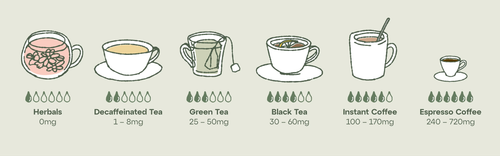
Image: Caffeine in different drinks Credit: Twinings Australia
The sensory vocabularies developed for coffee and tea, ranging from floral and fruity to earthy and smoky, reflect the hundreds of aromatic compounds in these drinks. Yet their enduring appeal ultimately lies in caffeine, the stimulant molecule that provides pleasurable reinforcement and encourages repeated consumption, a shared mechanism in the nectar experiment mentioned in the previous section. Research shows that this reinforcement significantly shapes taste preferences. In studies led by Roland Griffiths, participants who consistently consumed caffeine paired with a particular flavor developed a preference for that flavor, even when the caffeine itself was undetectable [11] [49]. This phenomenon helps explain why caffeine is routinely added to soft drinks, not just for its taste, but for its ability to strengthen consumer attachment.
Who it might help and/or harm?
People sensitive to caffeine
For those sensitive to caffeine, if cutting it out completely feels difficult, consider switching to decaffeinated options. They offer the same variety of flavors, just without the jitters and shakes.
Children and Adolescents
Soft drinks, tea, and chocolate are the main sources of caffeine for children, and their consumption patterns have raised concerns about potential dependence. Evidence indicates that children can develop tolerance and experience withdrawal symptoms similar to those observed in adults [11]. Early exposure to caffeine has also been linked to increased impulsivity, sensation seeking, and risk-taking behaviors [50].
Therefore, general dietary guidelines recommend avoiding caffeine-containing foods and beverages in the diets of children and adolescents.
Pregnancy and Lactation
Pregnant women are advised to limit caffeine intake because slower maternal metabolism prolongs both maternal and fetal exposure. Fetuses and newborns are unable to metabolize caffeine efficiently, requiring 10–35 hours for complete elimination. Caffeine consumed during breastfeeding also passes into breast milk, exposing infants whose metabolism remains slow.
Therefore, health organizations generally recommend moderation, no more than about 200 mg of caffeine per day, during pregnancy and lactation [51] [52].
Cigarette smokers and people who plan to quit smoking
Caffeine may help mitigate certain adverse pulmonary effects of smoking, such as chronic bronchitis and pulmonary edema, and could potentially delay the onset of chronic obstructive lung disease. However, as smoking itself is a major confounding factor in related studies, further research is required to establish definitive conclusions.
Smoking accelerates caffeine metabolism, causing smokers to consume larger amounts to achieve the same stimulant effects. Consequently, individuals who reduce or quit smoking are advised to lower their caffeine intake to avoid increased sensitivity and prolonged effects once tobacco use ceases.
Extreme caffeine lovers
For those with a strong passion for caffeine, caffeine intoxication can occur both acutely and chronically. Acute intoxication typically results from consuming more than 400–500 mg of caffeine and is characterized by symptoms such as muscle twitching, excitement, agitation, tremors, headaches, and, in severe cases, seizures or even death [53].
Chronic caffeinism presents similar symptoms but develops gradually over a prolonged period [53].
Studies indicate that high caffeine consumption can interfere with psychiatric medications and exacerbate mental health symptoms [11]. However, the prevalence of caffeinism remains underdiagnosed, and awareness of its impact is still insufficient.
For individuals seeking to reduce or quit caffeine, withdrawal symptoms can pose a challenge. Caffeine withdrawal happens because the brain adapts to regular caffeine use. Caffeine blocks adenosine, a chemical that normally makes us feel tired. Over time, the brain responds by creating more adenosine receptors [54]. That is when caffeine is suddenly removed, nothing is blocking adenosine anymore. This stronger-than-usual adenosine effect leads to extra tiredness and low energy. Moreover, caffeine narrows the blood vessels in the brain [55]. Without caffeine, these vessels widen again, causing a rebound increase in blood flow [55]. This rapid change is closely linked to withdrawal headaches and other symptoms such as pressure in the head or difficulty concentrating.
Common symptoms include headaches, drowsiness, impaired concentration, irritability, reduced sociability, muscle aches, nausea, and mood disturbances such as anxiety or depression [56]. The likelihood of withdrawal is dose-dependent and can occur after discontinuing as little as 100 mg of caffeine per day (roughly one cup of coffee). Controlled studies show that symptoms typically begin within 12–24 hours, peak at 2–48 hours, and subside within 2–7 days, though severity varies among individuals [11] [56].
To minimize discomfort, individuals planning to stop caffeine use should avoid abrupt cessation and instead gradually reduce their intake over time.
People who are taking medication or have certain health conditions
For people taking medication or managing certain health conditions, it’s always wise to inform your healthcare provider about your caffeine habits, including how many cups you drink, how often, and at what time of day, before starting any prescription or treatment.
Caffeine is generally safe with most medications, but certain substances, such as ephedra, can increase the risk of high blood pressure, heart attack, stroke, or seizures in some individuals [57].
How to stack it?
Daily recommendation [57]
Most health authorities recommend a daily caffeine intake of up to 400 mg for adults, roughly the amount in four cups of brewed coffee, ten cans of cola, or two energy drinks. However, it’s always wise to check the caffeine content on pre-packaged drinks before consuming them.
Lethal dosage
Most death cases by caffeine overdose were due to “accidental overdoses in medical settings. A lethal dose of caffeine is around 10 grams. Since a shot of espresso contains about 100 milligrams, an overdose would require roughly a hundred of them.
Synergistic pairings
Caffeine is sometimes formulated into medication to enhance effectiveness and provide additional benefits. It is commonly found in painkillers, such as those containing propylphenazone, paracetamol, and caffeine, to enhance pain relief. Studies suggest that caffeine can make pain relievers up to 5-10% more effective compared with the analgesic alone [58]. Moreover, adding caffeine can potentially reduce the risk of side effects and habitual usage of painkillers, by allowing for a lower dosage of the main analgesic while maintaining its potency [59].
L-Theanine, an amino acid commonly found in green tea, has been shown in many studies to enhance cognitive performance and mood when combined with caffeine. The combination improves concentration and alertness while reducing mental fatigue, without causing the jitteriness often associated with caffeine alone [60] [61]. This may explain why many people describe green tea as bringing a calm yet clear state of mind.
In addition, tea catechins and polyphenols exhibit strong fat oxidation and antioxidant properties. When combined with caffeine’s metabolism-boosting effects, they may provide additional benefits for cardiovascular health, weight management and metabolic function [62] [63].
Caffeine enhances glucosamine utilization and endurance when carbohydrates are consumed during exercise [64]. This is one reason sports drinks often include sugar, not just for taste, but to improve performance and recovery.
Creatine, which supports ATP regeneration, may also enhance physical performance when combined with caffeine, as caffeine promotes alertness and short-term endurance. However, research findings remain mixed: some studies suggest that caffeine can reduce creatine’s benefits for muscle recovery, while others report improved cognitive and endurance performance when the two are used together in moderation [65] [66].
For a deeper and comprehensive understanding of creatine, read Creatine Overview Article on Lifestack!
Common questions
I’m taking birth control pills now, is it safe to consume caffeine?
Oral contraceptive pills (OCPs) contain estrogen, which slows the metabolism of caffeine in the body. Studies show that the half-life of caffeine in OCP users averages about 10.7 hours, compared to 6.2 hours in non-users [67].
As a result, caffeine remains in the system longer, which may cause symptoms such as increased jitteriness, a faster heartbeat, or prolonged discomfort in those who are caffeine-sensitive. It’s always advisable to consult a healthcare professional about caffeine intake while using OCPs.
Is it okay to have alcohol and caffeine on the same day?
It’s common in modern lifestyles to start the day with coffee and end it with a drink. However, caffeine and alcohol have opposite effects on the central nervous system; caffeine is a stimulant that promotes alertness, while alcohol is a depressant that slows activity. When consumed together, caffeine can mask alcohol’s sedative effects, making people feel less intoxicated than they actually are.
Mixing the two can also strain the cardiovascular system, leading to increased blood pressure, irregular heart rhythms (arrhythmia), and a higher risk of cardiovascular disease. In addition, this combination is linked to riskier behaviors such as binge drinking and impaired decision-making.
Can coffee jitters be a sign of liver issues?
Feeling jittery after drinking coffee is not considered a sign of liver problems. Caffeine mainly acts on the brain and nervous system, not the liver, so symptoms like increased alertness, a faster heartbeat or mild anxiety come from its effect on the nervous system.
These reactions vary depending on a person’s individual caffeine sensitivity. Medical guidelines for diagnosing liver disease do not use common caffeine-related symptoms as indicators of liver problems.
In other words, feeling jittery reflects how your body responds to caffeine, not the health of your liver.
Some people get tense shoulders or muscle tightness after drinking coffee, but can handle tea without any issues. If both contain caffeine, why does this happen?
Coffee and tea affect the body differently, even though both contain caffeine.
Coffee delivers a faster and larger dose of caffeine, with fewer calming compounds to balance it out. On the other hand, tea contains less caffeine and includes L-theanine and certain polyphenols that slow absorption and create a smoother, gentler effect on the nervous system.
Because coffee produces a sharper rise in alertness, heart rate and nervous-system activation, some people experience muscle tension, including tight shoulders, as a normal response to that stimulation. Tea’s combination of lower caffeine and calming co-factors makes these symptoms much less likely.
Can gut detox or liver-support protocols affect coffee tolerance?
Research is still early, but coffee tolerance depends a lot on how well your liver processes caffeine. Some small studies suggest that liver-support or detox protocols may help improve this. In one short-term study, participants showed a 23% increase in caffeine clearance, along with higher sulfate-to-creatinine ratios, which points to improved liver detox function [69].
Coffee itself may also play a part, as it’s been shown to support gut health by increasing beneficial gut bacteria, which could influence how caffeine is tolerated.
This article is for informational purposes only and does not constitute medical advice. Consult a healthcare provider before making changes to your health routine.